

Welcome to Compound & Fire, where we’re on a mission to build wealth the smart way, hunting for top-quality businesses that grow shareholder value over the long haul, paving the road to financial freedom and early retirement.
This community is free, but if you’re enjoying the deep dives and want to fuel more, you can treat me to a coffee on Buy Me a Coffee. Every bit helps keep the fire burning, and I’m truly grateful for your support!
Come join the conversation on our Global Quality Investing Discord App here and hop on board my Substack for free if you haven’t yet. Let’s grow this journey together!
Introduction
This is a new article from the Collective Fire Framework initiave. Member Giacco is main contributor to this article, but it has been reviewed by other members including myself. I would definitely subscribe to his Substack as well.

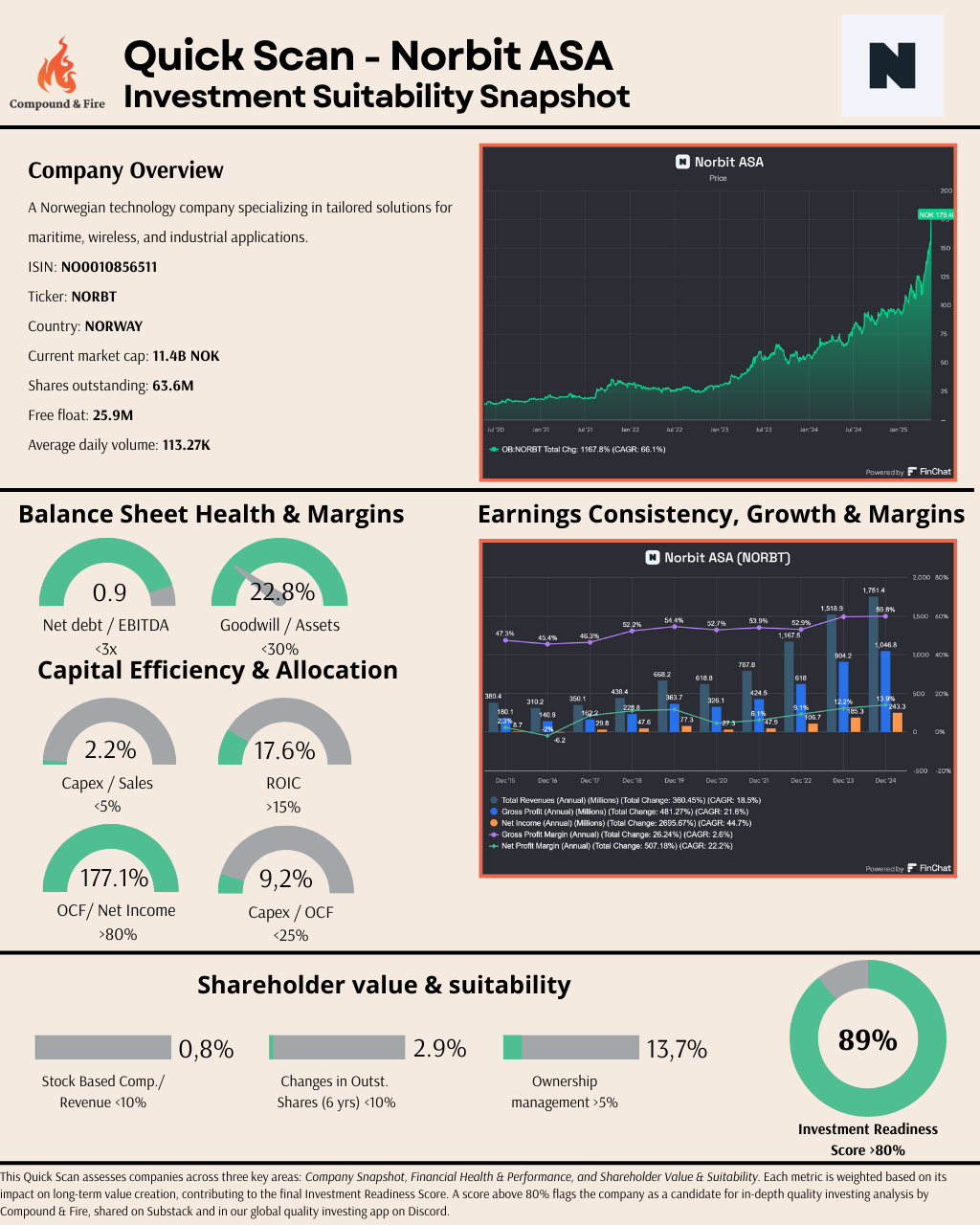
Quick Scan
Here is an earlier shared Quick Scan of Norbit. It shows an Investment Readiness Score of 89%, which makes it ready for a deep dive.
History of the Business
NORBIT ASA was founded in 1995 in Trondheim, Norway, with a mission to provide tailored technology solutions to a selection of niche markets. The company’s early years were focused on building a foundation in market-driven innovation. A pivotal moment in its history came in 2009, when NORBIT was restructured into the three key business segments that define the company today:
Oceans,
Connectivity (formerly Intelligent Traffic Systems or ITS)
Product Innovation & Realization (PIR).
This strategic move diversified its business model, reducing dependence on any single market and positioning it for scalable growth across different industries.
This timeline of events leading up to NORBIT’s IPO provides insight into the company’s early development and key milestones.
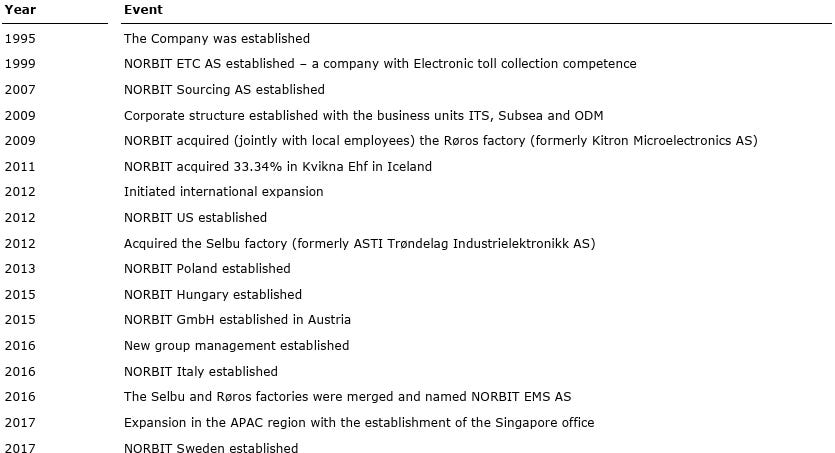

NORBIT ASA Prospectus for IPO
A significant milestone for NORBIT was indeed the company’s successful listing on the Oslo Børs in June 2019. The initial public offering (IPO) was described by CEO Per Jørgen Weisethaunet as the “starting-line, not the finish-line,” providing the capital to support a higher level of ambition for further growth and development. The IPO also saw significant participation from the company’s own workforce, including the board and executive management, demonstrating strong internal confidence in its future value creation.
Since its public listing, the company’s growth trajectory has been marked by a consistent focus on research and development, allowing it to stay at the forefront of technological innovation in its chosen niches. NORBIT’s strategy involves identifying market-driven needs where it can apply its advanced technology to solve complex challenges for customers. This approach has led to a history of strong, profitable growth. From IPO to 2024, the company achieved an outstanding compounded annual revenue growth of 21%.
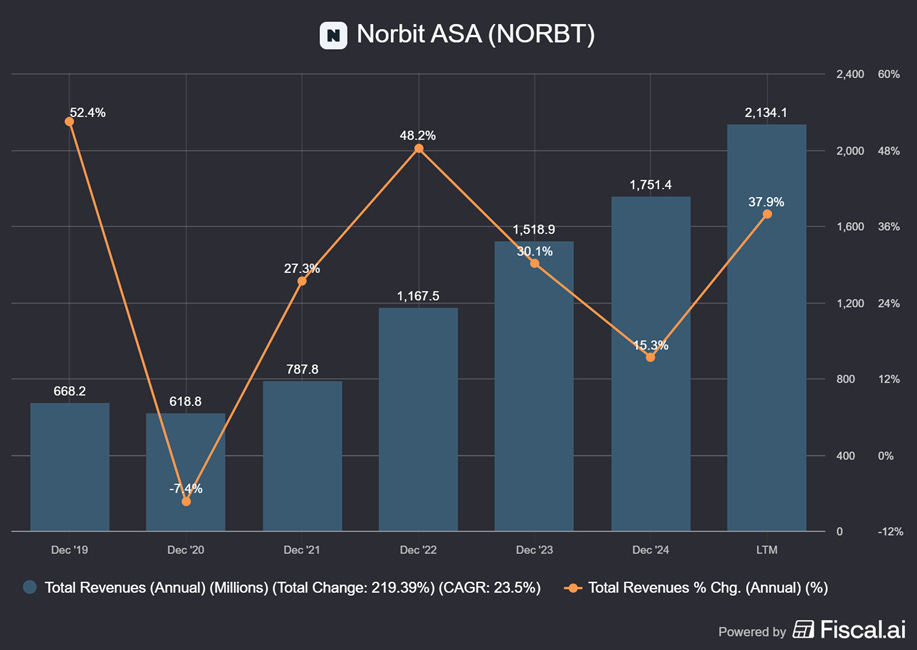
NORBIT’s growth reflects a clear strategy aimed at capturing higher-margin opportunities and expanding its international footprint. The company has successfully built a competitive and defensible product portfolio, progressively strengthening vertical integration through R&D partnerships and targeted acquisitions.
Another distinctive element is the strong connection with Trondheim, one of Norway’s main tech hubs. Its proximity to NTNU, the largest engineering research and education centre in Norway, ensures privileged access to scientific expertise and a pool of qualified talent. People development is pivotal in NORBIT’s culture:
“Talent and culture have always been at the heart of our priorities. Ensuring that we continue to attract the right people, offer them the right seat, and create an environment where they can grow both as individuals and as a team is essential for the journey ahead.” (Per Jørgen Weisethaunet, CEO of NORBIT ASA; Annual Report 2024)
NORBIT ultimately represents a clear example of how technological excellence and strategic vision can translate into sustainable growth and international competitiveness.
The company currently employs around 600 people of 40 different nationalities, with operational hubs in Norway and Hungary – its main locations, accounting for 87% of the workforce – as well as in the USA, and several sales and service offices around the world.
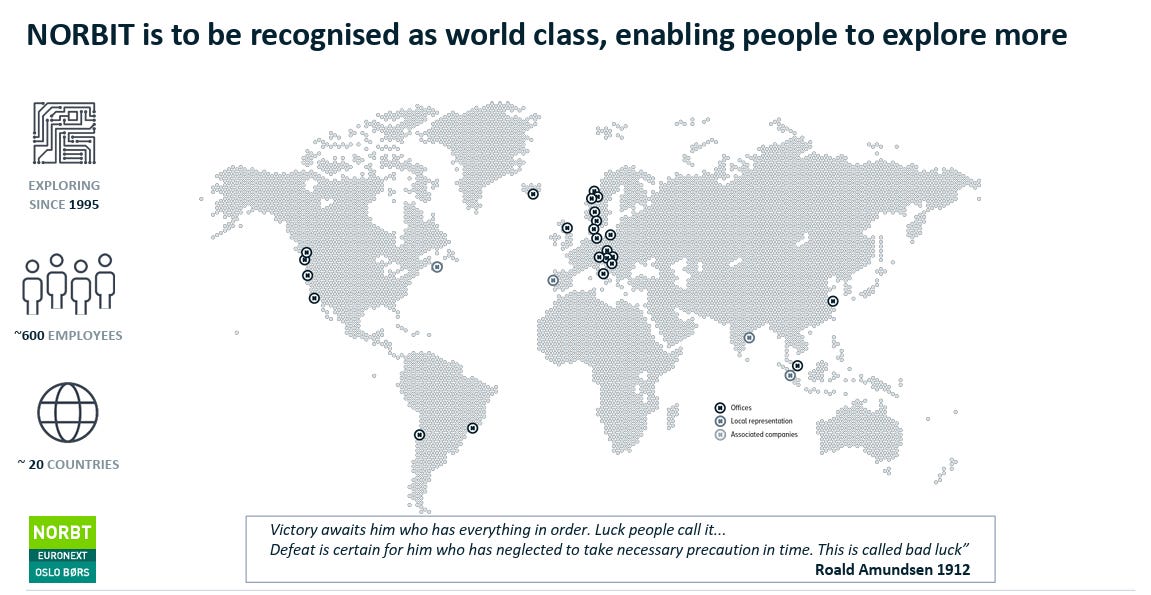
NORBIT’s Annual report 2024 presentation
Management
NORBIT’s management and board are characterized by long tenure, significant industry experience, and high insider ownership, which suggests strong alignment with shareholder interests.
Before reviewing current management, a brief note on the founder is warranted: Steffen Kirknes. While he no longer holds an executive or board position – having stepped down before NORBIT’s IPO in 2019 – he still plays a role in the company as “Talent manager”, though it appears to be more symbolic or strategic than operational. He remains a significant shareholder through two different private investment companies: VHF Invest AS (wholly owned by Steffen Kirknes), which owns approximately 9.8% of NORBIT and Draupnir Invest AS (controlled by Kirknes family) which owns about 5,7% of NORBIT. Combined, Steffen Kirknes still control 15.5% of NORBIT’s shares.

Key Executives
Per Jørgen Weisethaunet, CEO. As one of NORBIT’s earliest employees, Weisethaunet has played a pivotal role in shaping the company’s strategic direction and growth over the past two decades. Appointed CEO in 2001, he has led NORBIT through its IPO and into a phase of accelerated expansion, demonstrating remarkable leadership continuity in a sector often marked by high executive turnover.

Weisethaunet brings a unique blend of expertise in maritime technology operations and M&A, which has been instrumental in NORBIT’s evolution. His annual compensation totals NOK 7.8 million, with 47% derived from base salary and 53% from variable components, including performance-based equity awards.
Since becoming a co-owner in 2008, Weisethaunet has acquired a 11% stake in NORBIT, aligning his personal financial interests with the company’s long-term success. This ownership structure reinforces his commitment to sustainable value creation. His leadership philosophy is anchored in NORBIT’s core value: “We deliver”, a principle that has become deeply embedded in the company’s culture.
Per Kristian Reppe, CFO. Reppe joined NORBIT as CFO in 2020 and has since played a key role in shaping the company’s financial strategy and reporting framework. Frequently appearing alongside the CEO during earnings calls, Reppe provides in-depth financial insights and supports transparent communication with investors. His tenure aligns with NORBIT’s phase of accelerated growth and increasing financial sophistication. Reppe has been instrumental in managing strategic acquisitions, scaling operational capacity, and aligning financial planning with the company’s long-term objectives. His financial leadership continues to support NORBIT’s expansion and execution of its strategic initiatives.
Other Executives
The executive team also includes a COO, CTO, and Business Unit Directors for Oceans and ITS, many of whom have been with the company for over a decade and hold significant share positions.
Board of Directors
The board is composed of experienced individuals from various sectors, a mix of industry veterans and investor representatives. The board has committees for audit, remuneration and M&A oversight. Finn Haugan, the Chairperson since 2019, has a background as a prominent figure in the Norwegian financial industry.
Shareholder Alignment and Incentives
A key strength of NORBIT is the high degree of insider ownership. In September 2025, insider ownership was reported at more than 25%.
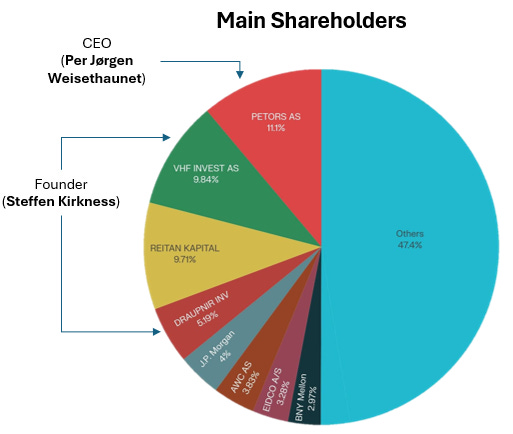
This significant “skin in the game” for management and board members is a strong indicator that their interests are aligned with those of long-term shareholders. This as a factor that positions the company with the right tools to potentially outperform, as leadership is directly invested in disciplined capital allocation and value creation.
NORBIT uses share-based incentive schemes for management and key employees. The Annual Report discloses share option programmes and restricted share grants; compensation is a mix of cash salary, short-term cash bonus and long-term equity incentives tied to performance metrics (revenue, EBIT/EBIT margin, Total Shareholder Return and integration milestones). The company reports the accounting cost of share-based compensation; in recent years the programme cost as a % of revenue (about 1,1%) is modest but meaningful given size of the company (detailed percent values appear in the remuneration note of the Annual report).
Based on NORBIT’s remuneration guidelines:
Fixed Cash Salary: Executives, including the CEO, receive a fixed base salary that is benchmarked for market competitiveness and considers the scope, responsibility, experience, and performance relevant to each position.
Pension and Non-Financial Benefits: Pension benefits are aligned with local practices, generally not exceeding 10% of fixed annual salary unless local law dictates otherwise.
Cash-Based Incentive Programme: Executives are eligible for an annual cash-based performance bonus. This component is capped at 40% of annual fixed salary. The payout is determined by achieving key financial and operational targets, specifically:
Organic revenue growth between 10 and 16% (20% weight; has been reduced from 2023)
EBIT margin between 15 and 20% (20% weight; stable but in 2023 EBITDA accounted)
Pre-tax ROCE between 25 and 30% (20% weight; newly introduced)
Total shareholder return – share price return plus dividend paid – between 10 and 20% (20% weight; down from 2023)
Discretionary assessment by the board/CEO for key performance in focus areas (20% weight; stable)
Long-term Equity Incentive Programme (RSUs): Executives participate in a restricted share unit (RSU) plan. Annually awarded RSUs are based on the same performance criteria as the cash bonus. RSUs vest over three years, promoting retention and alignment with shareholder interests.
NORBIT’s approach ensures a clear link between executive pay, company performance, and shareholder value through a balanced use of fixed salary, annual and long-term incentives, and clear performance metrics.
Credibility and Target Achievement
NORBIT’s management has a track record of setting ambitious targets and meeting or exceeding them.
In 2022, the company stated it was on track to reach its ambition of NOK 1.5 billion in revenue and a 25% EBITDA margin by 2024. By the end of 2023, NORBIT had already achieved these targets one year ahead of schedule, reporting revenues of NOK 1.52 billion. Following this success, the company set a new long-term ambition for 2027: organic revenues exceeding NOK 2.75 billion and an EBIT margin of around 20%. The initial 2025 revenue target of NOK 2.2-2.3 billion, set in February 2025, was already deemed “conservative” by May 2025 after a strong Q1 performance. The target was subsequently revised upwards to NOK 2.5-2.6 billion after a strong Q2.
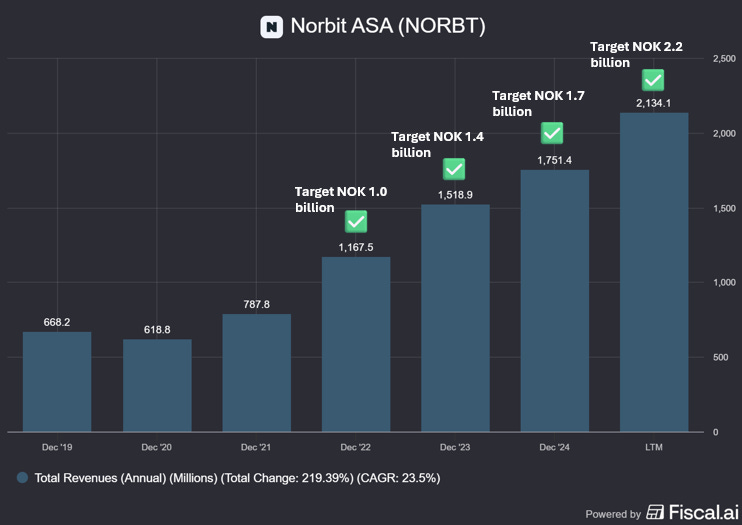
This history of hitting or surpassing financial goals lends significant credibility to the management team. In the Q1 2025 earnings call, CEO Per Jørgen Weisethaunet emphasized that the company lives by its core value, “We deliver!”.
Capital Allocation & Shareholder Returns: Growth, Discipline, and Value Creation
NORBIT’s capital allocation strategy reflects a disciplined balance between growth investments, shareholder returns, and financial sustainability. Capital deployment is guided by three strategic pillars – acquisitions, organic investments, and dividends – all aimed at driving long-term value creation while maintaining a robust balance sheet.
A defining feature of NORBIT’s approach is its selective and value-accretive M&A activity. The acquisition of Innomar Technologie GmbH in 2024 for EUR 40.2 million exemplifies this discipline: a complementary deal that enhanced the Oceans segment’s technology base in sub-bottom profiling while strengthening the company’s position in the marine survey market. Alongside Innomar, a NOK 200 million private placement was executed to support further growth and provide financial flexibility; the issue was significantly oversubscribed, underscoring investor confidence.
Organic investments remain equally critical. R&D spending reached NOK 104.8 million in 2024, or about 6% of revenues, reflecting NORBIT’s long-term commitment to innovation and product leadership. This sustained investment has been instrumental in maintaining the company’s competitive edge in sonar, connectivity, and embedded systems.
Earnings and EPS context. NORBIT’s strong earnings performance underpins the dividend and capital-allocation choices. Reported EPS for 2024 was NOK 3.93, a 27% increase versus NOK 3.10 in 2023 and up markedly from NOK 0.48 in 2020 — a more than eightfold increase over five years. This EPS progression supports both higher absolute dividends and a conservative payout approach: the 2024 total dividend of NOK 3.00 per share (ordinary + extraordinary) implied a payout ratio of roughly 76% on 2024 EPS, while historically the company’s payout ratio has ranged between 30% and 40%. The elevated 2024 payout reflects management’s confidence in cash generation for that year, but the long-run policy remains focused on balancing reinvestment and distributions.
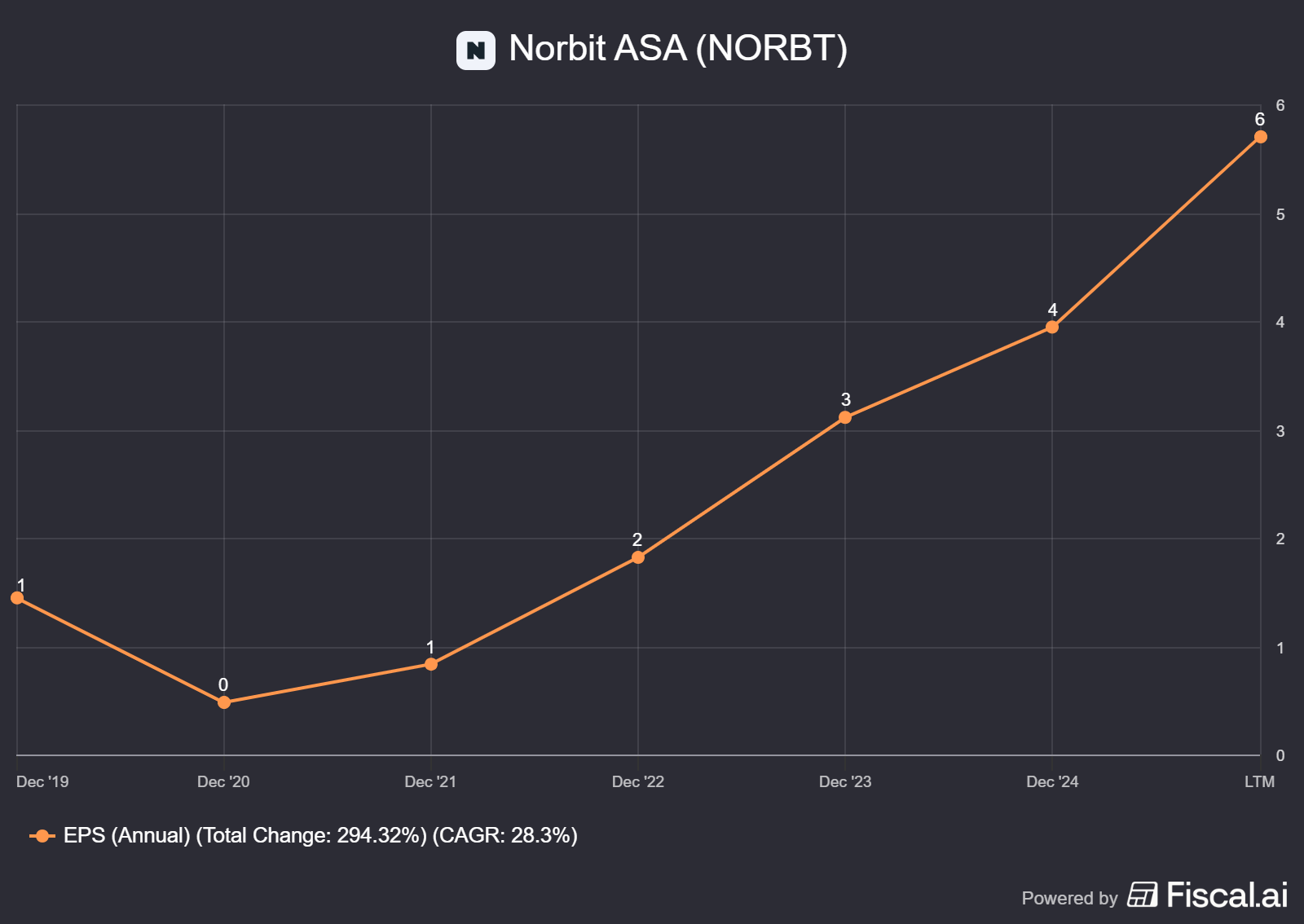
When it comes to shareholder returns, NORBIT has consistently applied a transparent and sustainable dividend policy. Historically, the payout ratio has ranged between 30% and 40% of annual earnings, with the 2024 total dividend of NOK 3.00 per share – including an extraordinary component – lifting the payout to 76%, a signal of management’s confidence in the company’s financial strength. Based on the average 2024 share price, this represented a dividend yield of roughly 1.5%, modest but consistent with the company’s reinvestment-led model.
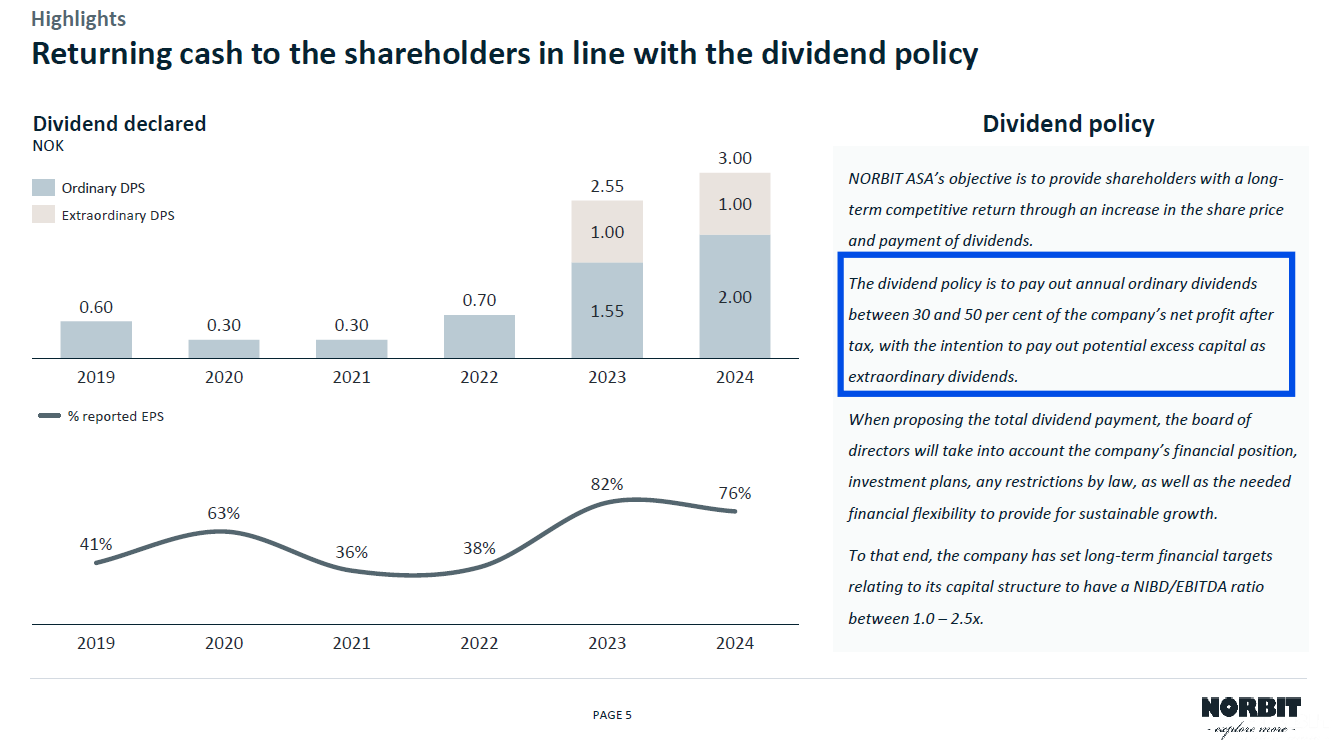
Presentation Annual Report FY2024
At the same time, NORBIT’s strategy extends beyond pure cash distributions. Share-based incentive schemes and targeted equity issues support management alignment and growth funding while preserving balance sheet strength. This combination of cash and equity returns ensures both liquidity for shareholders and internal capital for expansion.
NORBIT’s capital allocation framework thus balances growth, innovation, and shareholder returns within a conservative financial posture. Debt levels remain low, liquidity strong, and investment discipline evident across R&D, acquisitions, and dividends. Together, these pillars form a resilient model designed to compound value sustainably – generating high returns on invested capital while rewarding shareholders through both distributions and long-term appreciation.
Company Culture: Explore More! Engineering Curiosity into Performance
NORBIT’s corporate culture revolves around a single guiding principle – “Explore More” – a philosophy that captures its spirit of curiosity, innovation, and continuous improvement. This mindset extends beyond product development: it defines how teams work, learn, and grow across the organization. “Explore More” underpins NORBIT’s strategy of combining technological excellence with agility – a key enabler of its success in multiple niche markets.
Core Values: Execution, Safety, and Talent Refinement
The company’s culture is anchored in three values that translate strategy into everyday behaviour:
We deliver! A commitment to reliability and execution excellence. This value is deeply embedded across all segments and is frequently emphasized by the CEO as part of NORBIT’s identity and promise to customers.
Safe under pressure. Reflecting operational resilience and quality under demanding conditions, especially relevant to defence and maritime applications.
Refinement of talents. The belief that continuous learning and development are the true sources of competitiveness. NORBIT invests in attracting and nurturing skilled engineers while fostering collaboration across sites and disciplines.
These principles guide decision-making and ensure consistency between strategy, operations, and customer relationships.
People Development & Inclusion
Talent management is central to NORBIT’s operating model. The company runs internal training programs in engineering, production, and management, with strong emphasis on cross-site collaboration – particularly following acquisitions. The PIR segment plays a pivotal role in transferring best practices in R&D and manufacturing across the group, shortening time-to-market and strengthening quality standards.
NORBIT collaborates closely with NTNU in Trondheim, leveraging proximity to Norway’s leading engineering university for recruitment and research partnerships. Approximately 600 employees from 40 nationalities form a diverse talent base across Norway, Hungary, the USA, and other locations. While women remain underrepresented in technical positions, diversity and inclusion targets are clearly defined, supported by mentoring initiatives and training programs.
Employee engagement appears strong. During the 2019 IPO, many staff voluntarily participated in share purchases – a meaningful indicator of confidence and alignment with the company’s long-term vision. This sense of ownership continues through share-based incentive schemes and the open communication style promoted by management.
Sustainability & Governance: Responsibility in Practice
NORBIT views responsible business conduct as an extension of its culture. Since 2019, the company has been a participant in the UN Global Compact, committing to its principles on human rights, labour, environment, and anti-corruption. Ethical guidelines cover personal conduct, conflicts of interest, and fair competition, reinforcing the integrity of its operations.
Annual sustainability reporting discloses gender distribution, training investment, and CO₂-related initiatives. NORBIT’s goal is to integrate sustainability directly into design and production – reducing environmental footprint while ensuring product safety and reliability for clients operating in critical environments.
Culture as a Competitive Advantage
NORBIT’s culture is tightly linked to its strategic model: engineering-led, acquisition-friendly, and customer-centric. It fosters innovation while maintaining operational discipline, allowing rapid integration of acquired businesses without compromising quality. The main challenge lies in sustaining cohesion as the group expands geographically, but its track record of successful integrations and low employee turnover suggests that “Explore More” continues to work as both a rallying cry and a management system.
Business Model & Offerings: Engineering the niche
NORBIT ASA combines advanced R&D, precision manufacturing, and selective M&A to deliver tailored high-tech solutions across three business areas – Oceans, Connectivity, and PIR (Product Innovation & Realization). Each segment serves a distinct customer universe but shares the same technological backbone: embedded electronics, sensing, and signal processing. This structure provides resilience (diversified end-markets) and synergy (shared IP and production platforms), turning NORBIT into a vertically integrated niche-technology group.
Growth Strategy
NORBIT’s growth is driven by three strategic pillars:
High-Tech Hardware Sales. The company designs and manufactures sophisticated devices in-house, such as sonar systems, underwater mapping tools, vehicle sensors, and connectivity modules. These are often integrated into complete solutions and sold to industrial and governmental clients for both civilian and defence applications.
Integrated Solutions & Software Services. Recurring revenue streams are supported by proprietary software and data platforms bundled with NORBIT’s hardware. These include licensing, maintenance, and service agreements.
Acquisitions & Vertical Integration. NORBIT targets small and medium-sized companies with complementary expertise in areas like IoT, electronics, and industrial systems. This approach expands the product portfolio and enhances manufacturing efficiency.
Overview of acquisitions
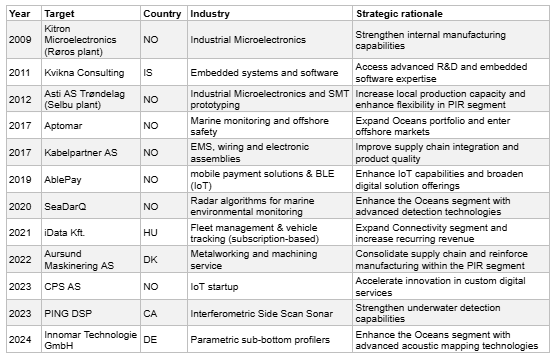
A review of the company’s acquisition history (see the below list) reveals a clear pattern: expanding production capacity and technical expertise, enriching the product portfolio with complementary technologies, and acquiring new capabilities to support diversification and long-term growth ambitions.
Revenue mix - Business segments
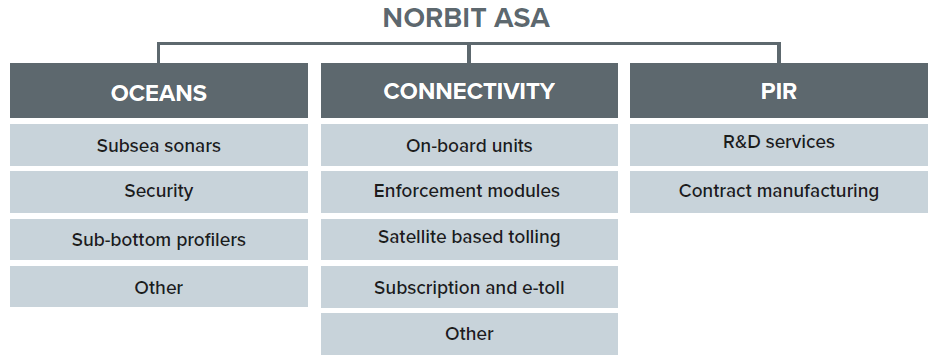
As mentioned earlier, NORBIT reports results across three segments:

Based on Annual Report 2024 values
Here is a breakdown of each segment with the related product/service group:
Let’s now briefly review NORBIT’s products/services across its various segments.
OCEANS – The deep engine of growth
The segment designs and produces advanced and ultra-compact wideband multibeam sonars (MBES), interferometric side-scan sonars (SSS), forward-looking sonars (FLS), parametric sub-bottom profilers and long-range surveillance systems for maritime safety and defence.
Flagship models include the WBMS and WINGHEAD® multibeam families – ultra-compact and high-resolution systems optimized for small survey vessels, ROVs, and autonomous surface or underwater vehicles. The WINGHEAD® B41/B44, premium deep-water MBES, are rated for depths up to 4,500 meters and is widely used by rental companies such as Norwegian Offshore Rental for deep-water pipeline inspection and seabed monitoring. The WBMS FLS (Forward-Looking Sonar) series adds a front-facing acoustic “eye,” allowing vessels and AUVs to detect underwater obstacles in real time up to depths of 6,000 meters, essential for navigation, mine countermeasures, and infrastructure protection. WINGHEAD® systems are preferred for ROVs, AUVs, and long-duration autonomous missions, delivering ultra-high resolution imagery for offshore wind surveys, cable laying, and geotechnical studies.
Recent acquisitions such as Ping DSP (2023) and Innomar (2024) – detailed earlier – extended Oceans/ capability set with interferometric side-scan sonars – which generate high-definition 3D seabed mosaics that are critical for hydrographic surveyors and offshore constructors – and sub-bottom profilers (Innomar Compact SBP, Standard SBP, Deep-36 SBP) capable of imaging sediment layers up to 150 meters below the seabed, used for offshore wind farm foundation surveys, buried pipeline identification, and archaeological research.
One example of the use of NORBIT’s sonar system is a Pipeline Depth-of-Burial (DOB) Survey conducted on natural gas pipelines crossing the Columbia River in the USA. This project aimed to determine the depth at which the pipelines were buried beneath the riverbed. The survey combined the Innomar Medium-100 parametric sub-bottom profiler, capable of penetrating sediments to detect buried infrastructure, with the NORBIT WINGHEAD® i80S Long Range multibeam sonar, which provided high-resolution bathymetric data. Together, these technologies enabled precise mapping and assessment of pipeline burial conditions.
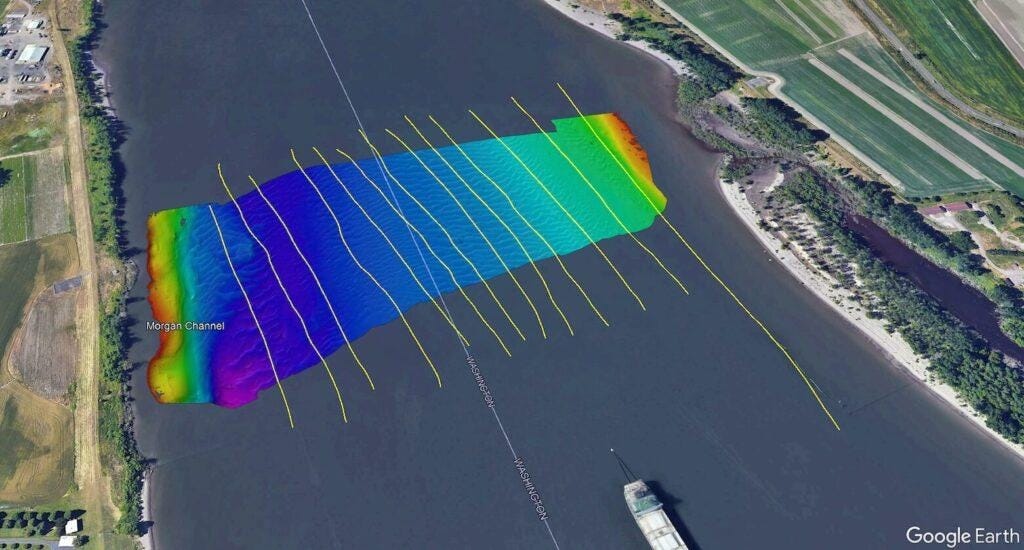
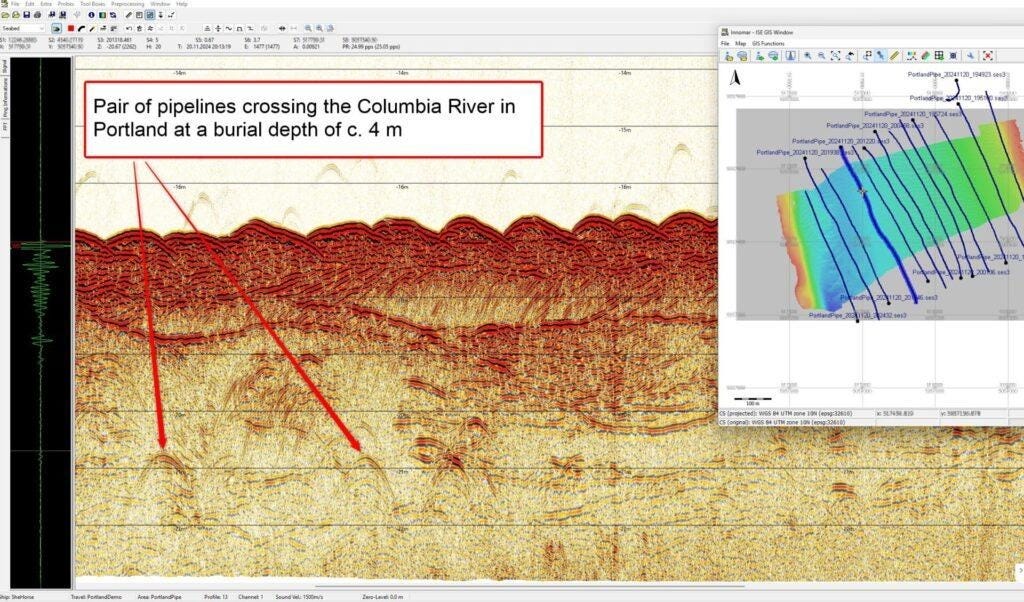
For more details, the full case study is available on NORBIT’s website (Depth of Burial (DOB) Survey of Natural Gas Pipelines - NORBIT), and an additional technical article can be found on Hydro International (Depth of burial survey of natural gas pipelines | Hydro International).
In the defence and security domain, the GuardPoint™ surveillance system combines long-range active sonar with proprietary software to detect underwater intrusions – from divers to unmanned submersibles – protecting critical maritime infrastructure and port perimeters. On the commercial side, NORBIT’s technology powers a growing fleet of unmanned surface and underwater vehicles, including Saildrone, XOCEAN, and Maritime Robotics’ Otter USV, which integrate NORBIT’s MBES and FLS for autonomous seabed mapping and environmental monitoring
A compelling example of NORBIT’s contribution to maritime security is the deployment of its GuardPoint™ Intruder Detection Sonars for harbor protection. Designed to detect underwater threats such as divers and autonomous underwater vehicles (AUVs), the system was tested in collaboration with the US Naval Surface Warfare Center (NSWC PCD). Using the GuardPoint™ 70 and 100 sonar units, the technology successfully tracked multiple AUVs in shallow water under a Cooperative Research and Development Agreement (CRADA), showcasing its effectiveness in real-world scenarios. This project highlights NORBIT’s growing role in underwater surveillance and naval base security. A full article is available on Hydro International for further insights (NORBIT GuardPoint sonars succeed in critical US underwater detection trials | Hydro International).
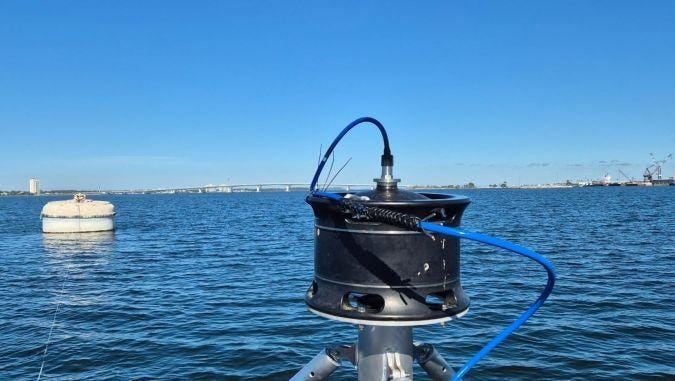
Performance and financial strengths
In 2024, Oceans delivered another record year, posting NOK 744 million in revenue, up 24% year over year, and maintaining an EBIT margin of 29% - the highest among NORBIT’s divisions. Sonar systems remain the cornerstone, accounting for roughly 80% of segment sales and about 30% of group revenue. Over the first half (H1 2025), Oceans posted NOK 472.0 million in revenue (up 49 %) and sustained an EBIT margin of ~36%. These figures illustrate the pricing power and profitability of NORBIT’s compact, high-performance sonar technology, built on proprietary designs and in-house manufacturing. The segment benefits from short development cycles, tight integration between R&D and production, and a strong international footprint, with customers in more than 50 countries.

Markets and applications
Oceans’ products serve a wide and diversified customer base: survey and dredging companies, offshore energy operators, government agencies, and research institutes. Key applications include seabed mapping, underwater inspection, and construction support – areas increasingly vital for offshore wind farms and subsea data-cable installation. NORBIT’s GuardPoint surveillance sonar systems are also gaining traction in naval and critical-infrastructure protection, addressing rising geopolitical tensions and the global shift toward maritime security technology made in Europe. Meanwhile, demand from unmanned and autonomous vehicle manufacturers is opening new growth avenues, as NORBIT’s ultra-compact sonars fit perfectly within energy-efficient robotic platforms.
Growth prospects and strategic outlook
Looking ahead, NORBIT targets revenues above NOK 1.1 billion by 2027 for Oceans, supported by expected market growth across renewable energy, defence, and environmental monitoring. Management guides for 25-31% revenue growth in 2025, confirming confidence in continued momentum. Structural tailwinds in the “Blue Economy” – driven by offshore infrastructure expansion, marine conservation, and increased ocean-data demand – provide fertile ground for further scale.
Competitive advantage
NORBIT’s edge lies in its vertically integrated model – all systems are designed, manufactured, and tested in-house, ensuring quality control, speed of iteration, and scalability. This integration not only drives operating leverage but also protects proprietary know-how, creating a defensible moat built on engineering excellence. In addition, management’s substantial insider ownership aligns incentives with long-term shareholder value, reinforcing disciplined capital allocation.
Risks and downsides
The segment’s challenges are mostly operational: short order visibility (typically 2–4 weeks) and exposure to seasonal cycles in maritime activity. Yet NORBIT’s vertical integration, high margins, and global diversification help smooth volatility.
CONNECTIVITY – The digital arteries of mobility
Connectivity is NORBIT’s bridge between the physical and digital infrastructure of European mobility – a segment dedicated to intelligent wireless systems that enable identification, monitoring, and tracking of vehicles and assets. It focuses on three technological pillars: electronic vehicle identification and tolling, tachograph and fleet telematics, and smart cloud-based tracking platforms.
At the core of the portfolio is the NORBIT ITS (Intelligent Transport System) product family – encompassing Dedicated Short-Range Communication (DSRC) and GNSS-enabled On-Board Units (OBUs) used in satellite-based tolling systems across Europe. These devices ensure compliance with the EU’s Electronic Toll Service (EETS) framework, supporting seamless, cross-border payment integration for heavy goods vehicles.
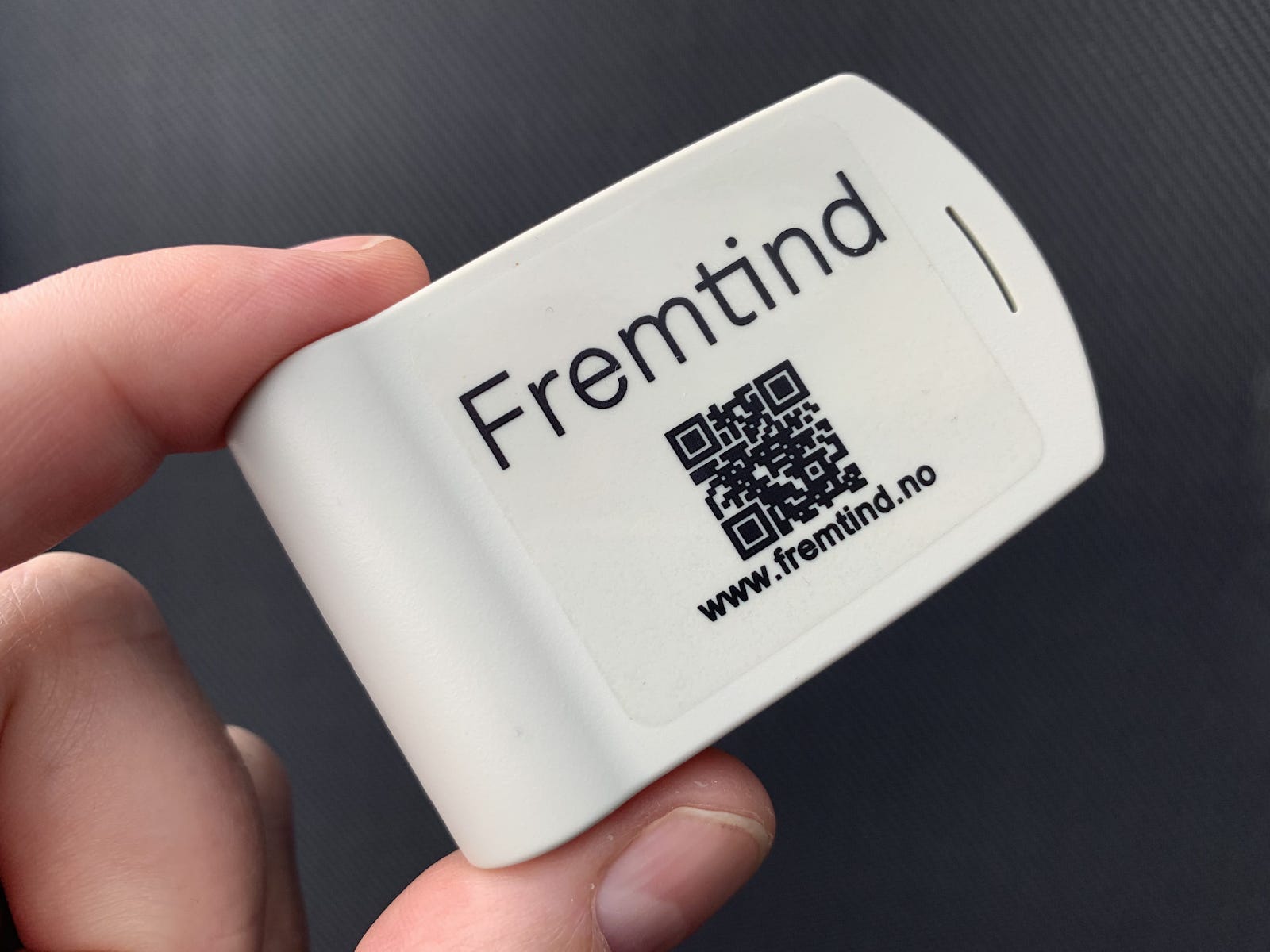
One of the many NORBIT’s tolling tags
A prime example is NORBIT’s new GNSS OBU, developed for Toll4Europe under a NOK 160 million multi-year contract, marking the company’s entry into the next generation of distance-based tolling. NORBIT will supply GNSS OBUs enabling hauliers to use a single subscription and device across Europe for automatic toll payment. The system supports national road-charging schemes in Germany, Austria, and beyond – showcasing how NORBIT technology underpins Europe’s transition to a unified, satellite-driven tolling infrastructure. For more details the full case study is available at NORBIT’s website (Toll4Europe GmbH and NORBIT ASA Announce the Development of a New Innovative GNSS and DSRC Hybrid OBU Made in Norway - NORBIT)
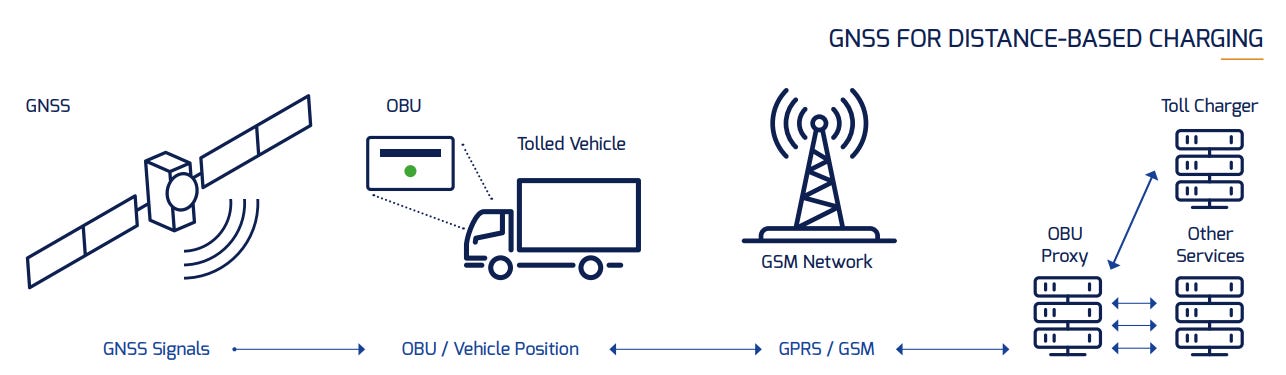
https://www.euspa.europa.eu/sites/default/files/euspa_ruc_brochure_0.pdf
Complementing the OBUs are enforcement and DSRC modules for smart tachographs, providing remote vehicle inspection and driver compliance monitoring – a market energized by the EU regulation mandating smart tachograph upgrades by August 2025. NORBIT’s partnership with Continental Automotive exemplifies its role as an embedded technology supplier within Europe’s transport compliance ecosystem. The company provides DSRC-based wireless communication modules integrated into Continental’s intelligent digital tachographs, enabling authorities to remotely access key vehicle data such as calibration, security logs, and driving-time compliance. More details are available at NORBIT’s website (https://NORBIT.com/NORBIT-cooperates-with-continental-on-intelligent-digital-tachograph/)
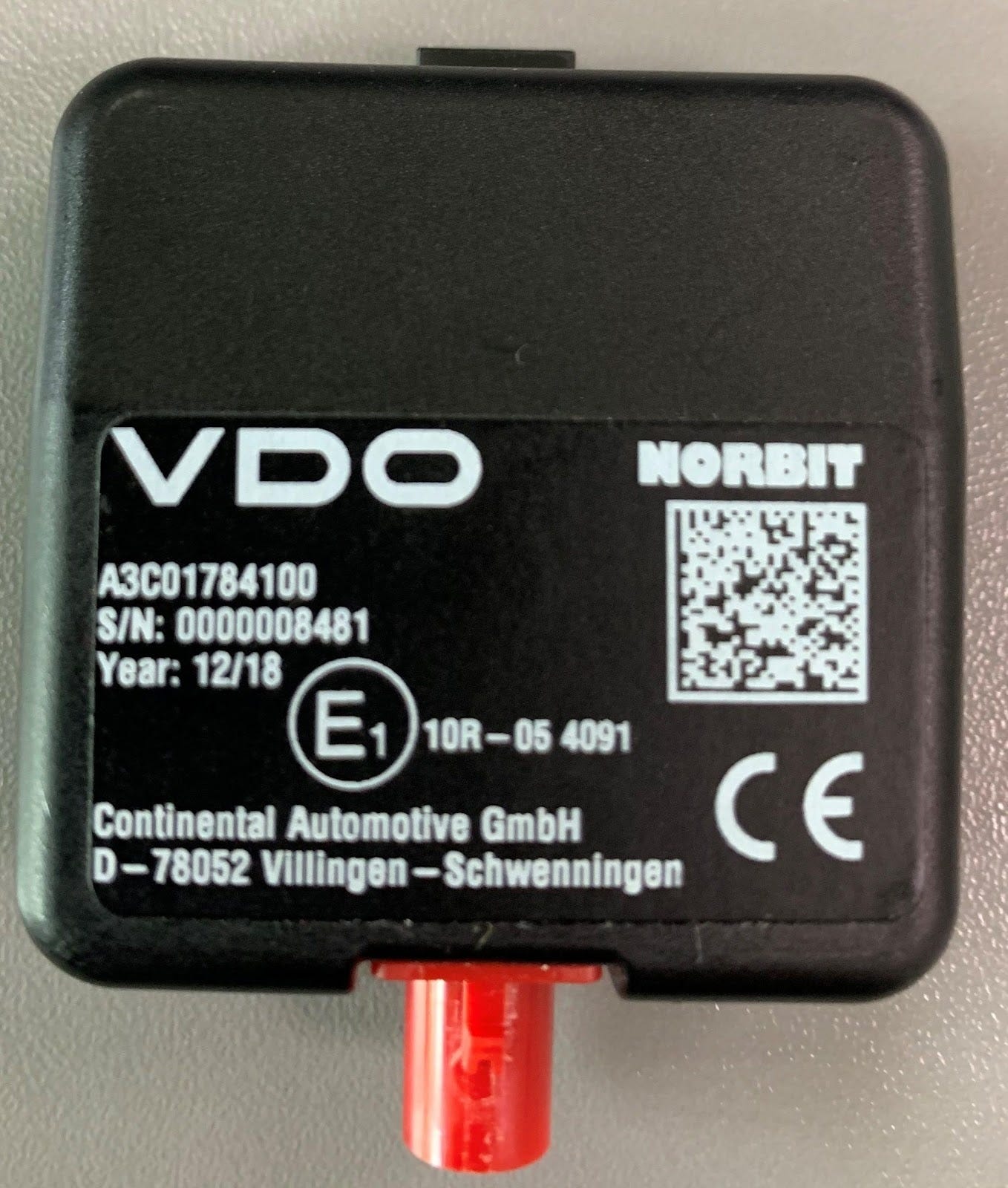
NORBIT’s module for Continental’s smart tachograph
Further downstream, the iData platform (acquired 2021) powers subscription-based services under the iTrack brand. It delivers cloud-based fleet management, eToll payments, and vehicle analytics – enabling insurance firms, transport operators, and authorities to manage assets in real time. Together, NORBIT’s hardware and software ecosystem forms a vertically integrated offering covering everything from sensor-level data capture to back-end analytics.
Performance and financial strengths
Financially, Connectivity remains a cornerstone of group profitability. In 2024, the segment generated NOK 515.7 million in revenue (-5% YoY), impacted by the natural phasing of OBU deliveries, yet it maintained a strong EBIT margin of 26%, underpinned by a resilient gross margin of 65%. The revenue mix reflects the diversification of the business: NOK 194.4 million from OBUs, NOK 80.8 million from tachograph modules, and NOK 104.9 million from GNSS-based tolling units, with recurring subscription and eToll services reaching NOK 106.7 million – around 20% of the segment total, providing predictable cash flow and margin stability.

Over H1 2025, Connectivity recorded NOK 315.7 million in revenue, achieving an EBIT margin of ~31%. The margin expansion in 2025 reflects better absorption of fixed costs, stronger sales of enforcement modules and On-Board Units (OBUs), and improved product mix. These results align well with the strategic aim of migrating toward higher-value, recurring, and regulation-driven product lines.
Growth prospects and strategic outlook
Connectivity’s growth drivers are deeply structural. The European Electronic Toll Service (EETS) is reshaping the landscape of road charging and telematics, creating strong regulatory tailwinds for GNSS-capable onboard units (OBUs). Anchored by the recast Directive (EU) 2019/520, EETS promotes seamless cross-border tolling through the principle of “one contract, one OBU across borders,” driving demand for interoperable solutions. This framework is implemented via DSRC and GNSS technologies, enabling multi-country rollout and acceptance procedures that simplify logistics for fleet operators and toll service providers. The momentum is further amplified by the scaling of GNSS-based road charging systems in countries like Germany, the Czech Republic, Poland, and Denmark – especially for heavy vehicles, where satellite-based tolling offers operational and compliance advantages. As GNSS adoption accelerates, the regulatory environment is clearly aligning with market needs, reinforcing the strategic importance of EETS-compliant, GNSS-enabled OBUs across Europe.
At the same time, the digitalization of logistics and fleet operations fuels demand for telematics and subscription services. The segment’s customer base – European toll system integrators, fleet management firms, and national road authorities – anchors long-term visibility, with the top five clients accounting for 62% of revenue in 2024.
Competitive advantage
The segment’s competitive moat lies in its DSRC leadership, deep regulatory integration, and the combination of proprietary hardware, software, and data capabilities. NORBIT’s technology is embedded within the operational infrastructure of Europe’s tolling and compliance systems – a position difficult for newcomers to replicate given stringent certification, interoperability, and security requirements. Partnerships with industrial and automotive players, including Continental AG, further expand reach into smart mobility ecosystems.
Risks and downsides
The Connectivity segment operates in a highly regulated and competitive market, where performance depends largely on EU transport mandates and long-term public contracts. This creates exposure to regulatory timing and policy changes that can delay demand cycles. Competition from established tachograph and tolling manufacturers remains intense, putting pressure on pricing and innovation pace. Moreover, as connectivity standards evolve rapidly – from DSRC to GNSS and beyond – technology obsolescence risk requires continuous R&D investment and product upgrades. Finally, the business relies on a limited number of high-value clients, making contract concentration a potential vulnerability despite NORBIT’s strong positioning and long-term customer relationships.
PIR (Product Innovation & Realization) – The heartbeat of precision innovation
PIR combines NORBIT’s in-house R&D, design, and high-end electronics manufacturing (EMS & ODM) capabilities. It includes tailored R&D services – developing products, systems and embedded solutions for industrial clients – as well as contract manufacturing of electronic modules (automotive, defence, medical, subsea), with heavy industrialization and robotized, high-reliability production lines.
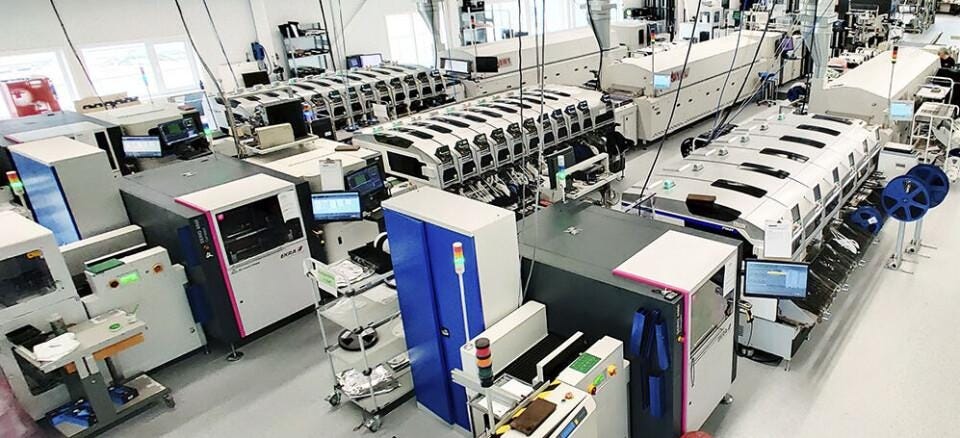
PIR also markets proprietary / dual-brand products based on NORBIT’s intellectual property (radar, RF, embedded signal processing) often under clients’ brands or in co-branding settings.
R&D & Original Design Manufacturing (ODM)
Tailored design & system-solutions. PIR doesn’t only build to spec — it offers product/system innovation: hardware + embedded software + signal/radar/RF processing designs for demanding industrial customers. These are often highly customized solutions, addressing markets like defence, subsea, medical, industrial automation.
Proprietary technology product lines. Internally developed IP: special instrumentation involving radar, RF, embedded signal processing, which are sold under client brand or dual brand agreements.
Rapid prototyping & pilot runs. The R&D department includes capabilities for prototyping (electronics, mechanical parts, both plastic and metal) and small-run versions, bridging from concept to full industrialization – crucial for clients wanting to test before large-scale production.
Contract Manufacturing / EMS (Electronic Manufacturing Services)
In-house factories. NORBIT owns multiple manufacturing sites – notably in Røros (automotive focus), Selbu (defence, medical, subsea), and Kabelpartner (subsea & defence). These factories are highly robotized and optimized for reliability, certifications, and stringent quality requirements.

Performance and financial strengths
PIR has shown accelerating growth: in 2023, revenues were NOK 412 million (slightly down vs prior year in headline number), but adjusted for unusual material cost effects, underlying revenue grew 16% driven by contract manufacturing (which accounted for roughly 77% of PIR revenues). In Q1 2025, PIR delivered NOK 160.6 million, up 11% year-on-year, with an EBIT margin 14%. In Q2 2025, growth exploded: revenues NOK 293.1 million, up 118% vs Q2 2024, largely due to strong demand from defence & security; EBIT margin rose to 20%. Overall, NORBIT has raised full-year guidance for 2025: PIR is expected to contribute strongly toward total revenues targets.

Growth Opportunities
In recent quarters, PIR has demonstrated significant growth momentum reflecting strong inflows from defence and security contracts. About 20% of PIR’s revenues now originate from defence clients – a direct result of increasing European demand for localized, high-reliability electronics production. Broader market forces such as supply-chain diversification away from Asia (reshoring) and growing demand for advanced automation systems are further expanding PIR’s addressable opportunities, positioning NORBIT as a key enabler of Europe’s re-industrialization (also thanks to PIR’s factories certifications and capabilities for medical applications).
Competitive advantage
NORBIT’s competitive edge within PIR stems from its vertically integrated production capabilities and its ability to blend R&D with flexible manufacturing. The segment benefits from long-term partnerships, often spanning multiple product generations, which stabilize demand and reduce acquisition costs. Furthermore, fully robotized lines enhance scalability and quality consistency, particularly in defence and medical electronics where precision and reliability are paramount. Its practice of focusing on a few key customers allows deeper technical collaboration and provides predictable revenue streams despite market cyclicality.
Risks and downsides
Nonetheless, PIR faces structural challenges typical of contract manufacturing: high competition, dependence on large customers, and exposure to cyclic industrial demand patterns. While defence provides a near-term tailwind, sectors like automotive may remain subdued amid platform transitions and cost pressures. Sustained growth will depend on NORBIT’s ability to secure new multi-year programmes and continue converting its R&D strength into proprietary designs with long-term customer lock-ins.
Summary
NORBIT’s three-segment model forms a self-reinforcing system. Oceans provides technological differentiation, Connectivity delivers regulatory-anchored recurring revenues, and PIR ensures vertical integration and manufacturing excellence. Together they generate balanced growth, high margins, and strong cash conversion – the hallmarks of an industrial-tech compounder.
Looking under the hood, NORBIT’S model reveals itself through a few critical lenses, each of which highlights how the company creates and defends value in its niche market.
🔎 Recurring revenues
NORBIT’s business is not a pure recurring-revenue model like SaaS. However, recurring elements exist. Within the Connectivity segment, the only explicitly quantified recurring revenue stream is from “subscription and e-toll” services, which totalled NOK 106.7 million in 2024 (up from NOK 92.4 million in 2023) in 2024. This represents about 21% of Connectivity’s revenues and roughly 6% of NORBIT’s total revenues for the year. These revenues remained relatively flat at around NOK 54.5 million for H1 2025 accounting for about 4.5% of total H1 revenues. This slight relative decline as a percentage of total revenues reflects stronger growth in non-recurring areas like defence contracts in PIR and sonar sales in Oceans. Oceans and PIR revenues appear largely project-based or product-driven, with limited recurring components mentioned.
Overall, recurring revenues are a stable but minor contributor to NORBIT’s financials. They provide some predictability but are not a dominant driver of the company’s growth leaving NORBIT more exposed to cyclical or one-off demand.
🔎 Cyclicality and resilience
Revenue shows moderate cyclicality, tempered by its diversified segment structure and strategic focus on sustainable, technology-driven applications. Through its three segments NORBIT is exposed to different market drivers and customer bases, reducing reliance on any single industry and enhancing resilience against economic downturns. However, global exposure (about 80% of revenues outside Norway) introduces risks from macroeconomic trends, supply chain disruptions, currency fluctuations, and geopolitical tensions, which could amplify volatility during recessions.
Oceans segment shows higher cyclicality due to its reliance on maritime exploration budget, which can fluctuate with global trade, energy prices, and infrastructure investments. Market drivers include seabed mapping, offshore wind (driven by renewable energy targets like EU/UK/US goals for >140 GW by 2030), and security solutions amid geopolitical unrest. It experiences seasonality (e.g., weather-dependent surveying) and low order visibility, making revenues more volatile and sensitive to short-term economic shifts.
Connectivity is less affected by cyclicality, as it benefits from regulatory-driven demand and recurring elements. Key drivers are digital transformation, green mobility, and EU regulations (e.g., Mobility Package 1 requiring tachograph upgrades by 2025/2026), supporting products like On-Board Units (OBUs) and satellite-based tolling. Medium- to long-term frame agreements (e.g., a NOK 160 million GNSS contract for 2025) provide revenue predictability, with subscription and e-toll services acting as a (still small) stabilizing buffer. While hardware sales saw a 5% year-over-year dip in 2024 due to order rescheduling, the segment’s essential role in transportation (e.g., 80% market share in European truck tachographs) makes it more defensive against economic cycles.
PIR cyclicality is somewhat moderate, influenced by industrial and automotive trends, but offset by growing defence/security (20% of segment revenues in 2024, up from 6% in 2023) and pharma exposure which can be counter-cyclical during geopolitical tensions. Customer concentration (top 5 clients = 59% of revenues) adds some volatility risk, but R&D services and regional manufacturing focus enhance stability.
🔎 Profitability profile
NORBIT ASA’s profitability profile reflects its hybrid identity – part industrial manufacturer, part technology company. Its financials reveal an operation that consistently extracts strong margins from highly engineered, niche products rather than chasing scale at the expense of quality.
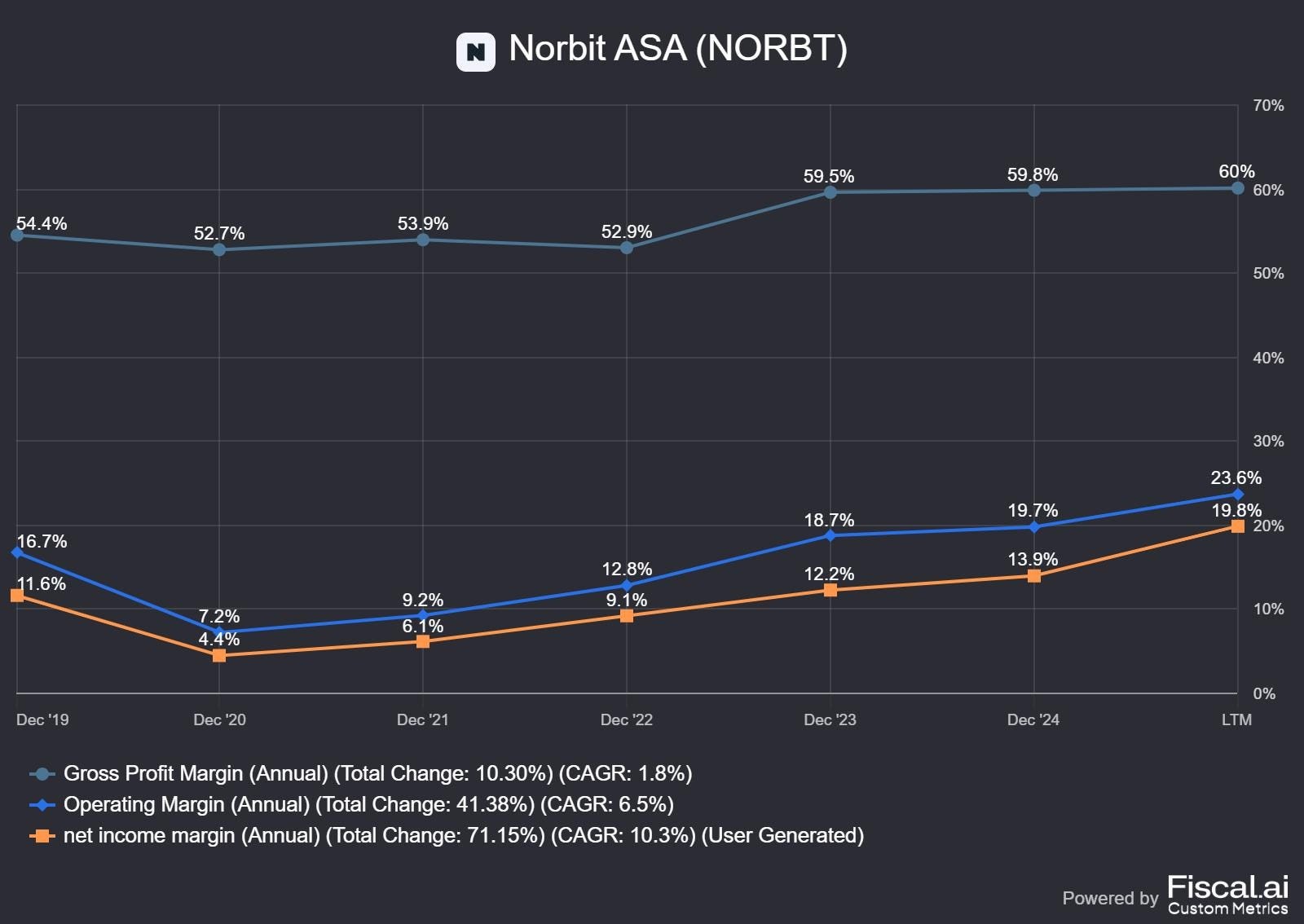
Over the last five years, NORBIT has steadily expanded both gross and operating margins, even through supply-chain disruptions and input cost inflation. Gross profit margin has typically hovered between 55-60%, a strong signal that NORBIT’s hardware and software bundles carry pricing power and differentiation in their end markets. This figure places it well above traditional industrial peers, which often operate below 40%, and closer to high-value tech manufacturers.
Profitability varies by segment with Oceans that tends to deliver the highest margins (>70%) overall and PIR that yields mid-level margins (30-40% gross) due to its project-based nature.
Operating margins have ranged between 17-22%, with incremental gains as the company scaled volumes and improved efficiency across its Oceans and Connectivity segments. NORBIT’s asset-light assembly model, where core electronics and IP are retained in-house while less critical production is outsourced, enables solid operating leverage.
Strong gross profit margin and Operating expenses growing slower than revenues are generating positive operating leverage and boosting NORBIT’s net profit. This highlights an efficient and scalable cost structure.
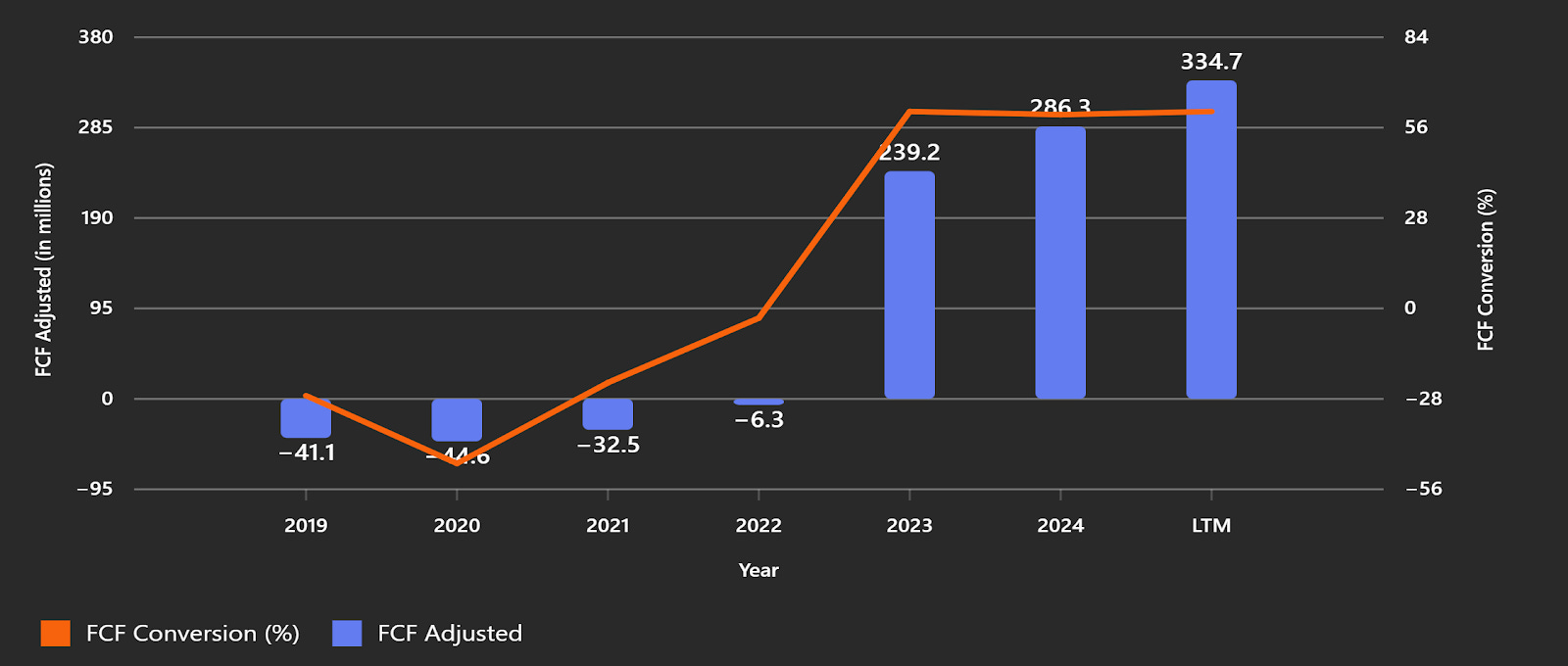
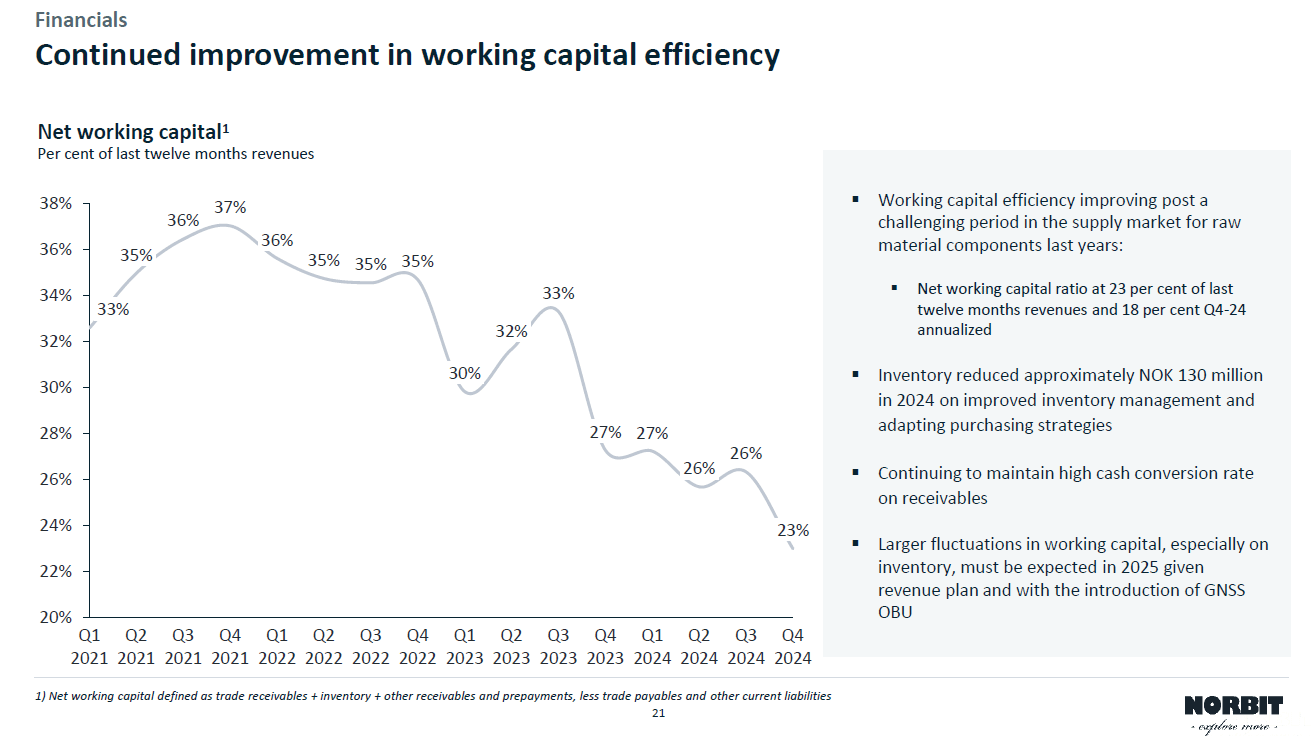
Beyond accounting margins, cash flow tells the same story of efficiency. Free Cash Flow (FCF) conversion from EBITDA about 60%, healthy for a hardware-plus-services business. Working capital discipline – particularly in inventory turnover and receivables – underpins this stability.
Presentation Annual Report FY2024
Return metrics further underscore the quality of earnings: ROIC (Return on Invested Capital) has more than doubled from 2020 to 2024 and is now trending towards 20%, well above the cost of capital, showing that incremental capital generates strong returns. Management’s consistent reinvestment in high-return niche areas, rather than broad diversification, supports this.
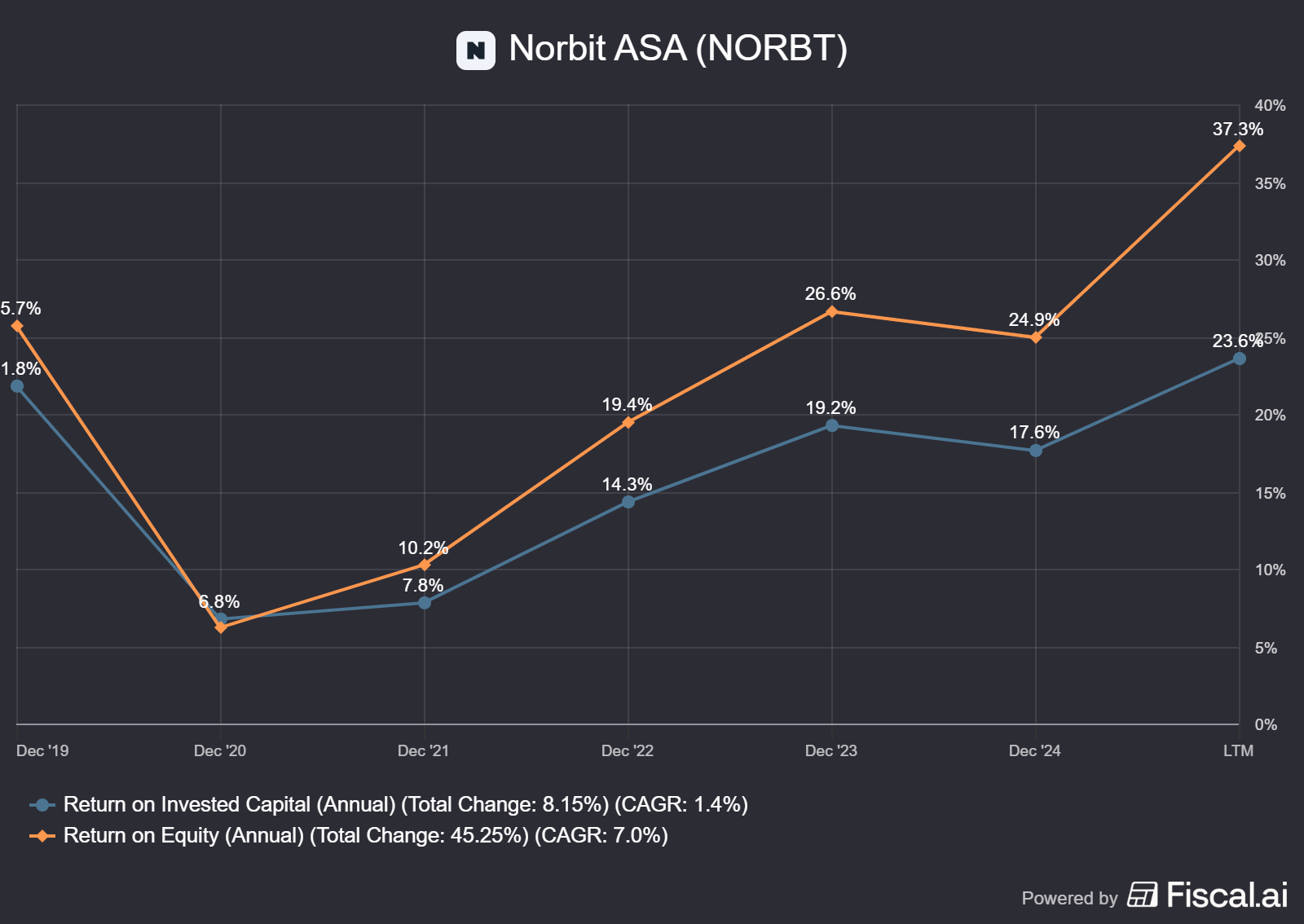
Overall, NORBIT’s profitability profile mirrors a company that has achieved industrial precision with tech margins – a rare combination among small-cap engineering firms.
Strategy and Moat: From Niche to Notable
As a niche and mission critical technology company, NORBIT’s main goal is to strengthen its current position and expand into new profitable technological niches that fit their business model.
NORBIT’s strategic roadmap, as presented in investor materials, centres on three pillars:
Organic product innovation – develop next-gen sonar and connectivity products leveraging PIR R&D and cross-segment engineering. The main strategy remains to broaden the product offering, NORBIT is tailoring and adding features to its technology to address and open larger markets. Strategic investments and development focusing on sonar innovation (e.g., Winghead, VBMS X, GuardPoint) and targeting security, offshore wind, and autonomous underwater vehicles.
M&A to extend product & market reach – acquire niche technology firms to quickly gain complementary capabilities, customers and geographic presence (e.g., Innomar, Ping DSP, and Seahorse Geomatics). Integration and cross-sell are central to value creation.
Operational scale and margin improvement – consolidate and expand manufacturing to meet existing and future demand (e.g., investments in robotic assembly lines SMT capacity in Røros to nearly doubling the capacity), capture higher margins through product mix and service growth and focus on working capital efficiency and Return on Capital Employed (ROCE).
On top of this, I spontaneously see a couple of other strategic drivers that are already showing their first results:
Broadening the customer base in the more concentrated segment and moving from tender-based sales to more direct B2B relationships with blue-chip clients – key strategic shifts in Connectivity, providing more predictable, high-value revenue streams.
Moving to increase recurring revenue via service offerings and software features bundled with hardware.
NORBIT’S vision for the future is enclosed in their motto “from niche to notable”. This quote from the CEO during a recent earning call gives a nice insight into this vision and NORBIT strategic intent:
“As we accumulate references and as we grow, we also accumulate skills, enabling NORBIT to take on larger opportunities, which we express as going from niche to notable. We will remain diversified. And in addition to focusing on broadening the product offering, we will focus on broadening customer base.”
“So, we’ve had as a clear strategy tailoring technology in carefully selected niches… So, it’s a question of choosing the right opportunities… We’re not looking for opportunities that really could quadruple NORBIT the next half year. Some opportunities are too big. They’re meant for Google and Microsoft and companies like that. But as we grow, what is the right level of scalability in the niche for NORBIT also will grow. And what we see is that maybe we’re at a scale now where you could see that some opportunities, they are of a size that it’s not worth calling it a niche.”
Competitive Advantage / Moat analysis
NORBIT ASA’s competitive edge rests on a diversified yet focused portfolio that combines proprietary technology, regulatory integration, and long-term client partnerships across its three business segments. In Oceans, the company has carved out a niche leadership in high-performance, ultra-compact sonar systems, supported by strong IP and premium pricing power. In Connectivity, NORBIT benefits from structural EU regulatory tailwinds and sticky long-term contracts with blue-chip clients in tolling and tachograph systems. Meanwhile, PIR leverages the company’s deep R&D and manufacturing expertise to build stable relationships in defence, automotive, and industrial electronics. Taken together, NORBIT’s mix of specialized products, embedded regulatory compliance, and selective customer integration provides a defensible moat and positions the company to benefit from long-term trends in maritime security, offshore infrastructure, transport digitalization, and defence modernization.
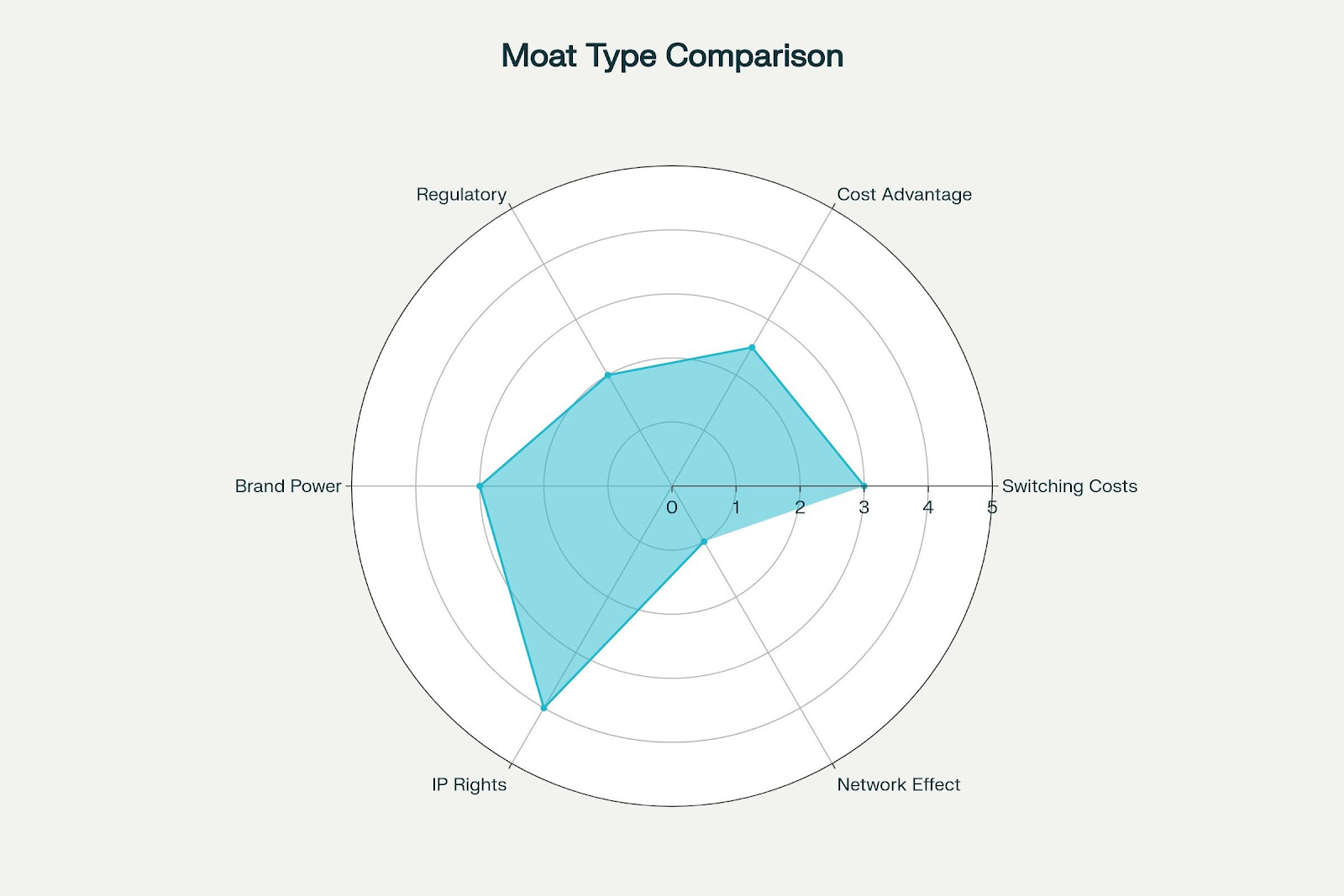
Let’s now practically assess NORBIT’s moat by providing a score (from 1 to 5) to each of the classic moat types.
Switching costs – 3 (moderate)
NORBIT’s products are often deeply integrated into their customers’ operational workflows, creating moderate switching costs. For example, the On-Board Units in the Connectivity segment are part of large-scale tolling systems, and sonar systems in the Oceans segment are integrated with vessels and data processing software. Changing suppliers would involve significant logistical challenges, re-training, and potential downtime. However, as it operates in B2B markets, large customers may still switch for significant cost or technology advantages. Additionally, switching costs vary by application, with some products facing lower barriers than others.
Cost advantage – 2/3 (low to moderate)
NORBIT maintains some cost advantages through operational efficiency and specialized manufacturing capabilities. In specialized applications, customers tend to prioritize performance and reliability over price, making cost competitiveness less critical than in commodity industries. However, large incumbents and low-cost manufacturers can compete on price for certain components. Cost advantage exists but definitely is not dominant.
Regulatory barriers – 2/3 (low to moderate)
Serving defence and certain maritime markets requires regulatory approvals, certifications and compliance which raise the entry bar. In the Oceans segment, technology for defence and maritime surveillance is subject to stringent quality and security standards but the strongest moat lays in the Connectivity segment. EETS (European Electronic Toll Service) is not just an acronym, it’s a structural standardization of toll collection that favours sophisticated, interoperable OBUs and accredited providers. The “2019 recast” of EETS regulation and ongoing national transitions toward GNSS‑based tolling expand the pool of fleets needing modern OBUs that work seamlessly across borders. Despite these regulatory requirements help incumbents like NORBIT to build up some advantages, it’s important to remember that these barriers are not insurmountable for well-financed competitors and do not create permanent exclusivity.
Brand power – 3 (moderate)
NORBIT is a respected brand in niche markets, but it is not a mass consumer brand. In professional markets, reputation for reliability and support matters and NORBIT has built credibility. Brand is valuable but limited to industry audiences and customers primarily evaluate technical capabilities and performance rather than brand prestige.
Intellectual property (IP) – 4 (strong)
NORBIT’s business is founded on proprietary technology and deep R&D capabilities. Strategic acquisitions have expanded the IP portfolio with complementary technologies. The company invests approximately 5-6% of its annual revenue in R&D and holds the IP for its core technologies, such as the ultra-compact wideband multibeam sonars. This technological edge allows it to create tailored solutions that competitors using off-the-shelf components cannot easily replicate.
Network effects – 1 (none)
There are limited direct network effects. While some connectivity applications benefit from network density, most products provide value independently. The company’s strategy focuses more on direct customer value than network-driven adoption.
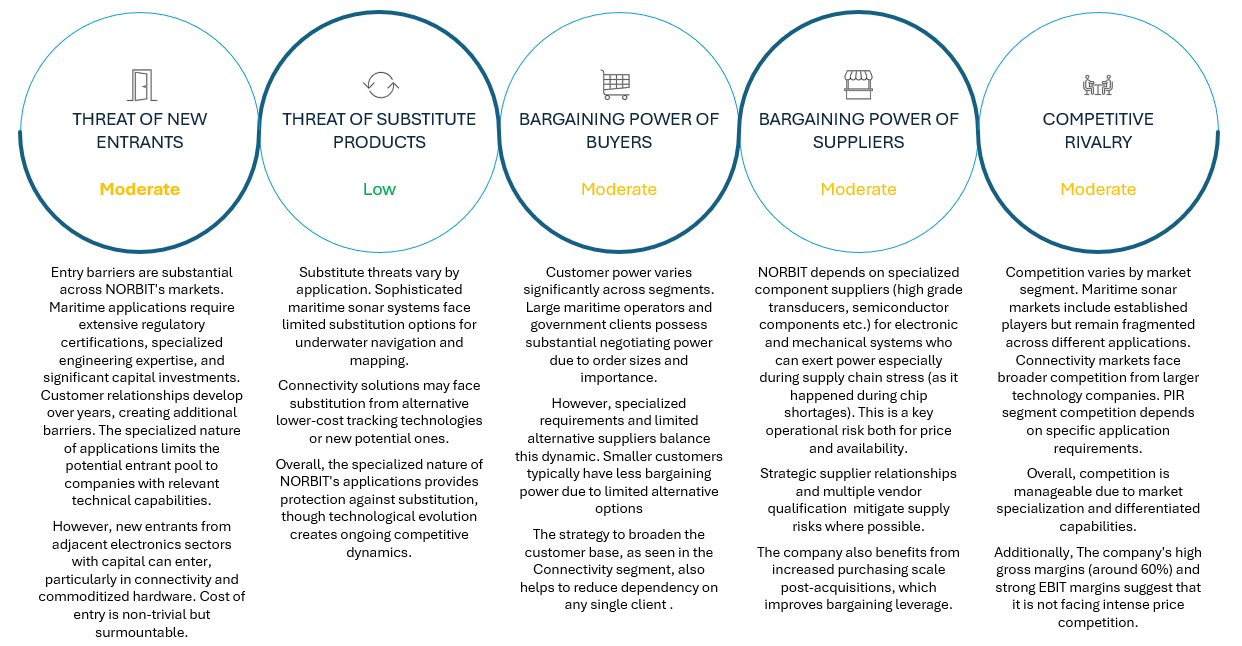
Porter’s five forces analysis
Growth ambitions and Financials
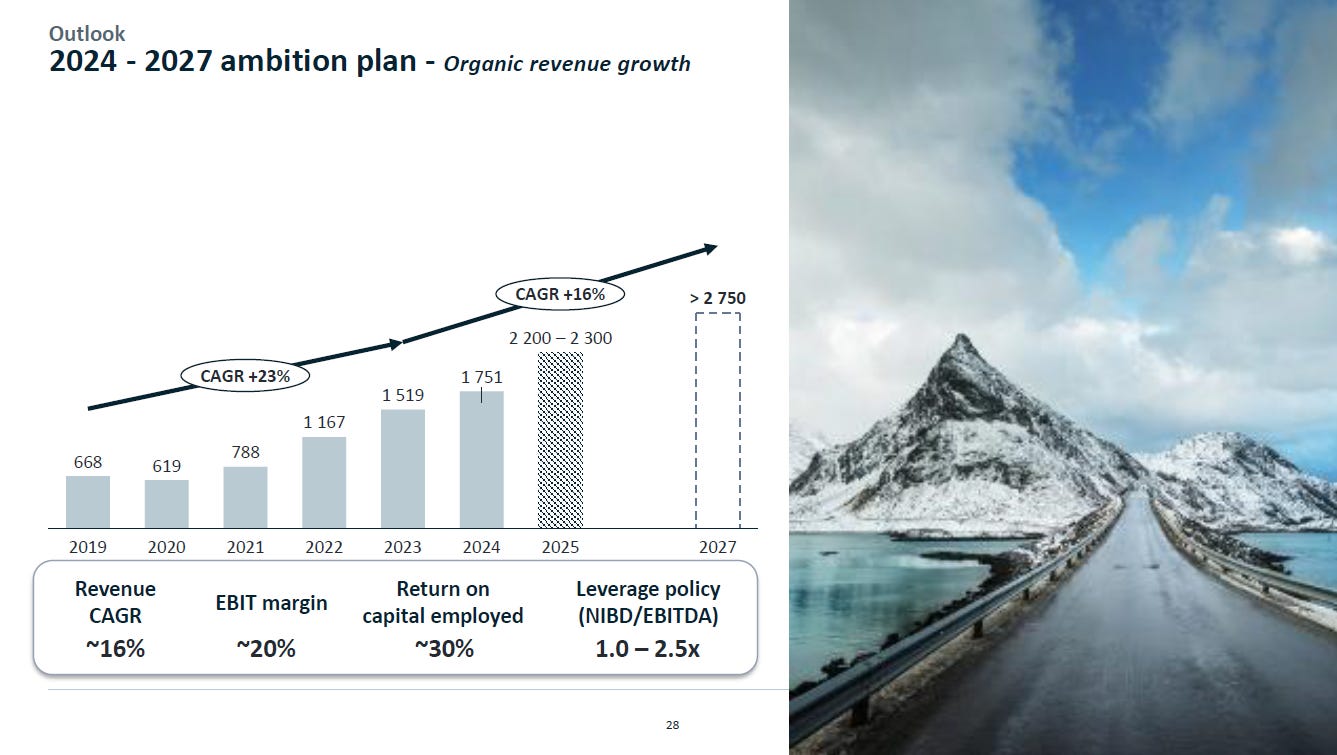
NORBIT has clear ambitions for growth and management communicates short-term objectives with clarity and transparency. They’ve set ambitious yet achievable performance targets, aiming for revenue growth to stabilize at a 16% CAGR effectively doubling their revenue within five years by capitalizing on strong market tailwinds.
Presentation Annual Report FY2024
Growth, yes! But not at any cost. NORBIT plans to continue investing and expanding while maintaining its current EBIT margin of 20% and keeping financial leverage within the limits defined by its internal policy.
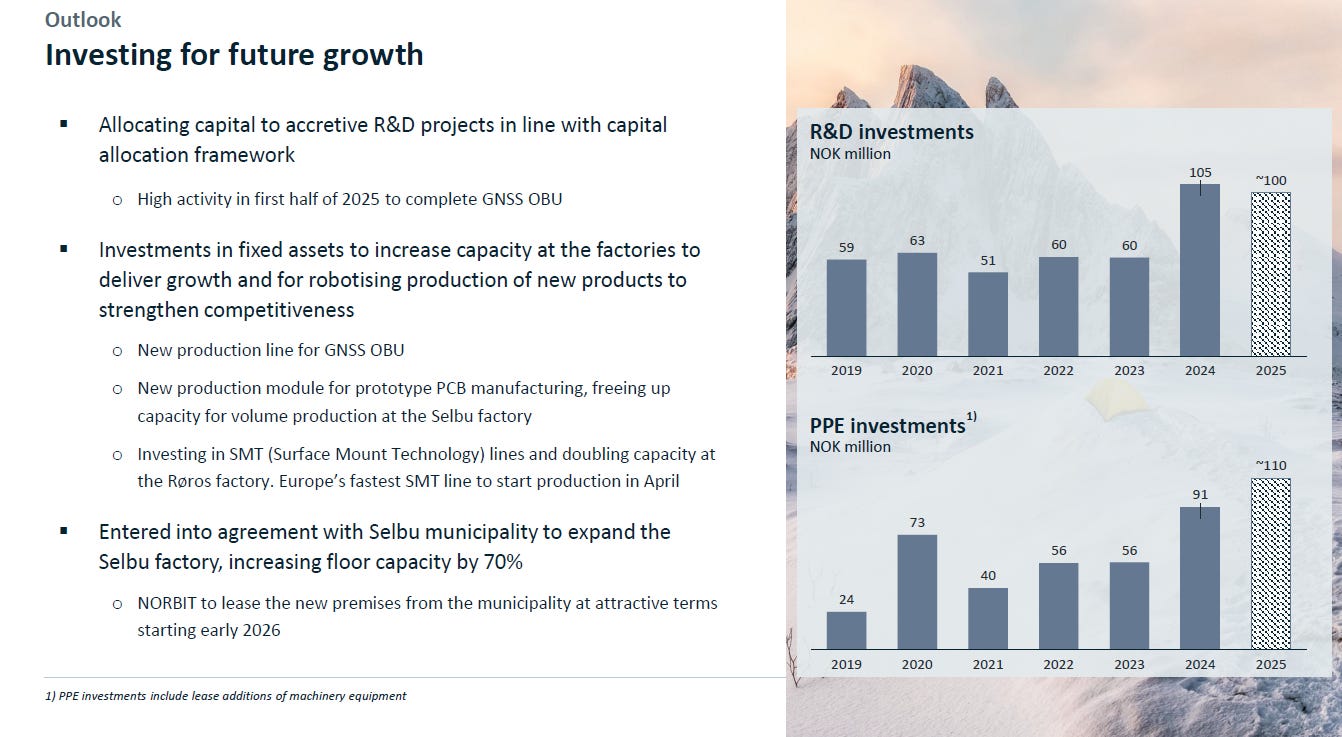
Presentation Annual Report FY2024
The company has adopted a disciplined and strategic approach to debt management, aligning its financial structure with long-term resilience and flexibility. This prudent financial strategy enables NORBIT to support ongoing operations and investments without excessive reliance on debt, thereby minimizing financial risk.
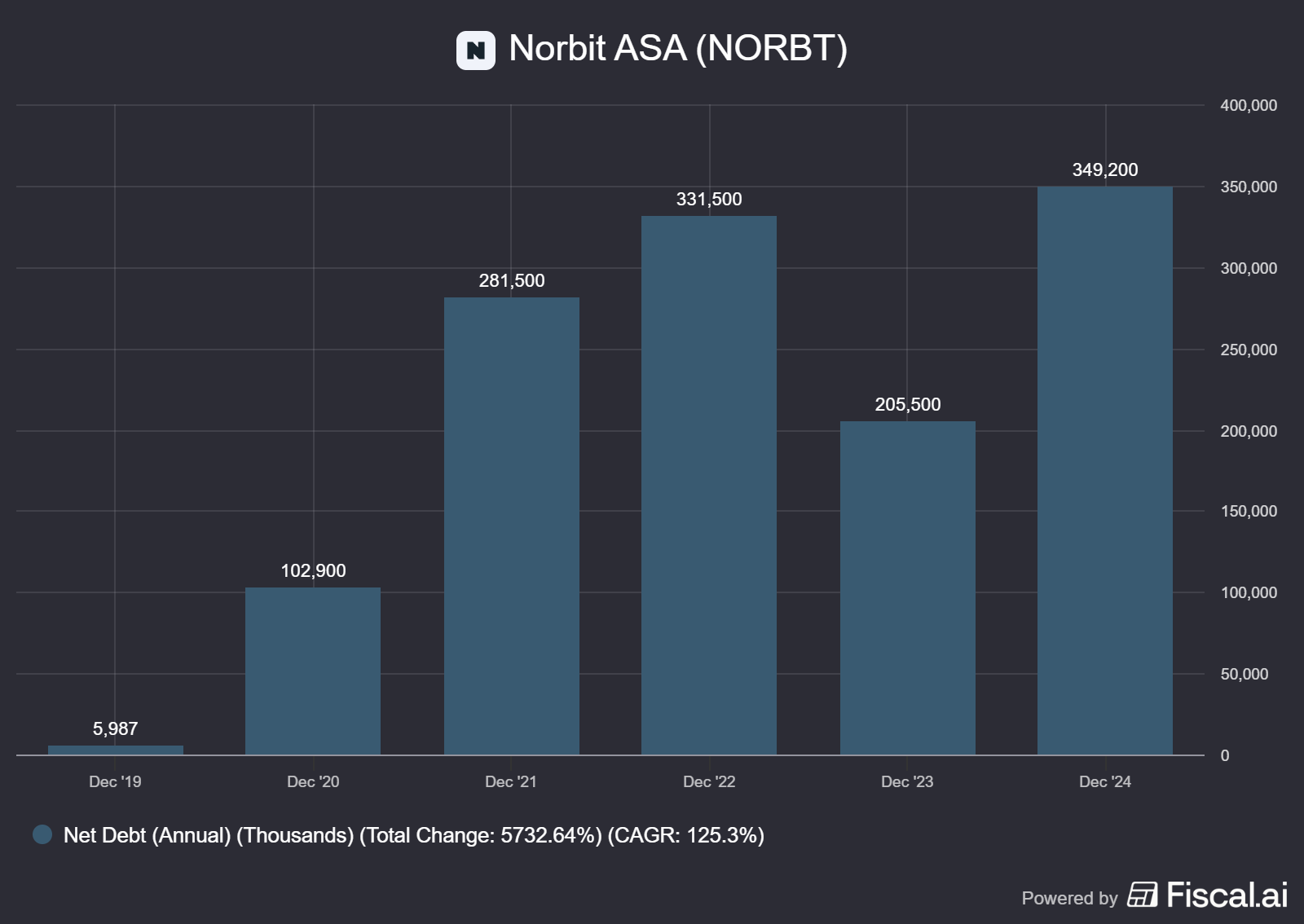
Key indicators reflect this conservative stance. The Debt/Equity ratio of 0.47 signals a balanced capital structure, while an Interest Coverage Ratio of 9.14 highlights the company’s strong ability to meet interest obligations from operating earnings. Liquidity remains solid, with a Current Ratio of 1.73 and a Cash Flow to Debt Ratio of 0.92, indicating that operating cash flow nearly covers total debt. In 2024, NORBIT reported net interest-bearing debt (NIBD) of NOK 254 million, with a net debt to EBITDA ratio of 0.7x, comfortably within healthy limits and reinforcing the company’s sound financial position.
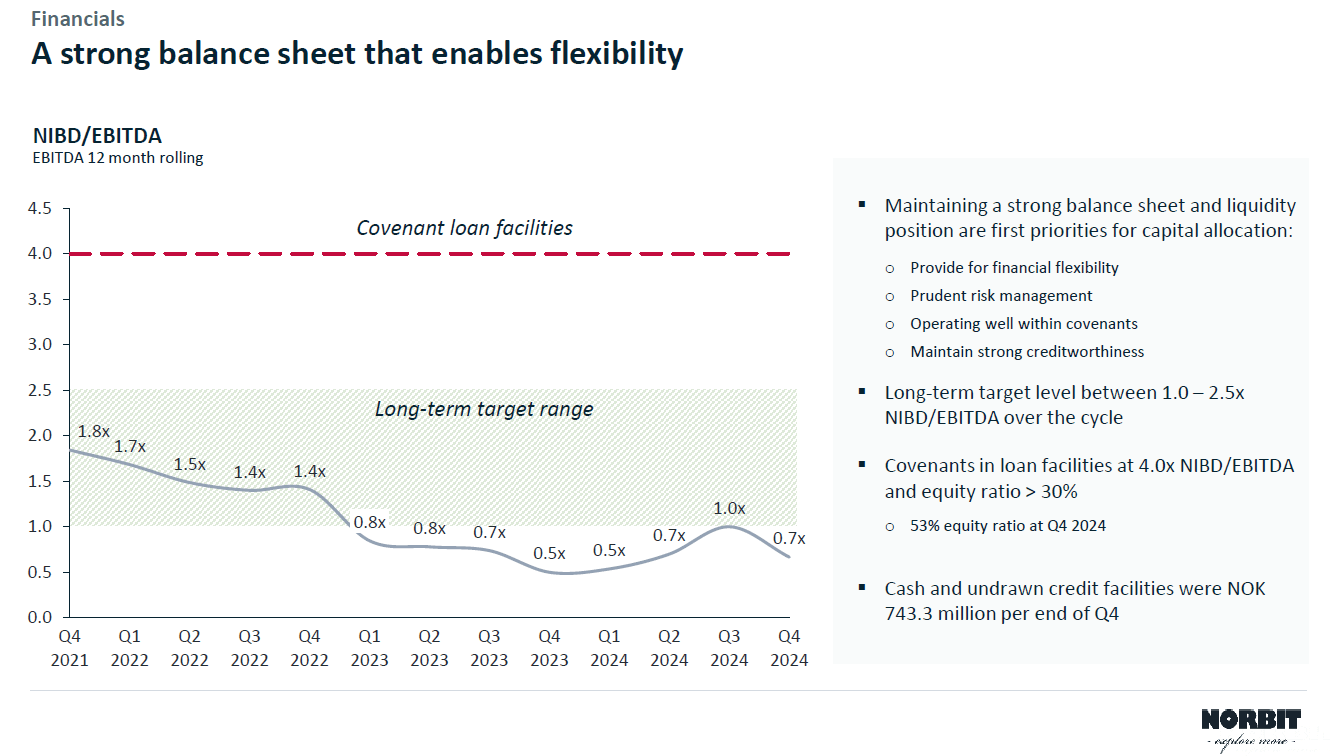
Presentation Annual Report FY2024
This position was temporarily impacted by the acquisition of Innomar GmbH, completed in July 2024 for an enterprise value of EUR 40.5 million, of which EUR 35.4 million was settled in cash and EUR 4.8 million in shares. To fund the transaction and associated working capital needs, NORBIT entered into a EUR 38 million loan facility during Q3 2024. From an investor’s standpoint, the temporary uptick in debt should be viewed in the context of deliberate reinforcement of the balance sheet to execute accretive M&A and to scale the business—rather than as a sign of distress. In fact, the strong FCF, improving margins and debt still at low levels relative to EBITDA all reinforce the quality and resilience of the business model.
In parallel, the solidity of NORBIT’s Free Cash Flow and the progression of its FCF margin confirm the company’s ability to translate accounting profitability into tangible liquidity – the ultimate litmus test of business quality. Between 2022 and 2023, the group’s cash generation experienced a dramatic transformation. Operating Cash Flow surged from NOK 85.7 million to NOK 430.3 million, while implied Free Cash Flow turned from roughly NOK -30 million to NOK +286 million in 2024.
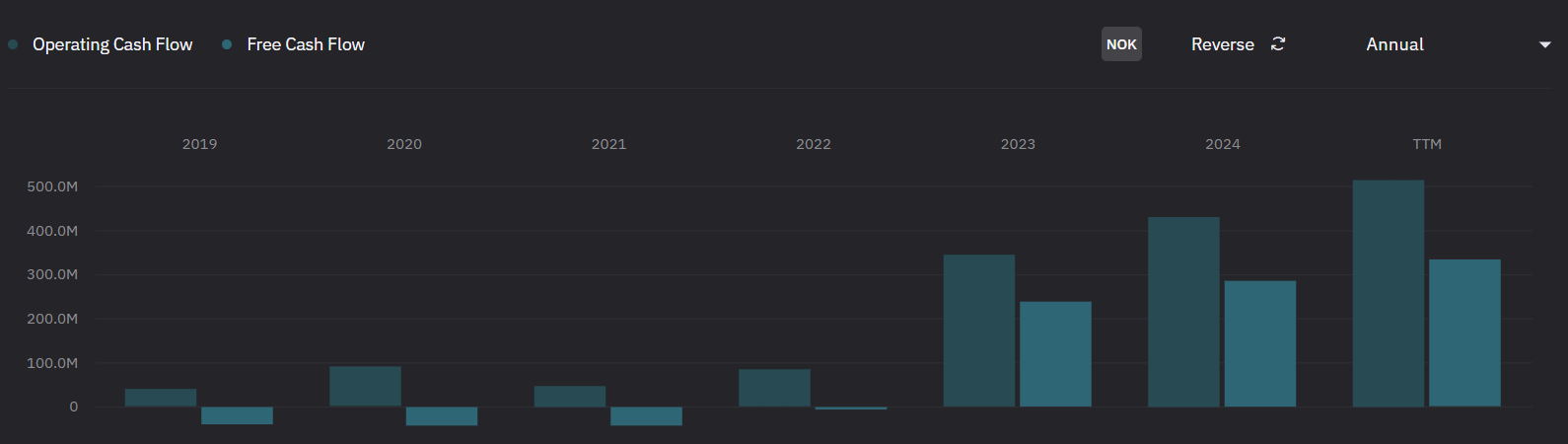
Finmode.app
This turnaround reflects not only the exceptional increase in operating profitability – with EBITDA up 66% and EBIT margin expanding by 600 basis points – but also a masterful optimization of working capital.
The inventory swing alone released over NOK 259 million in cash, as supply chains normalized and NORBIT successfully reduced excess safety stock accumulated during the 2022 component shortage. Receivables remained stable, payables increased slightly, and accrued liabilities provided an additional positive contribution, all supporting a sharp improvement in cash conversion. Behind this stands an operational structure characterized by scalability and efficiency: a 30% increase in revenues drove a 66% rise in EBITDA, proving the strong operating leverage of NORBIT’s model. The particularly rapid expansion of the high-margin Connectivity segment (up 75%) further enhanced cash generation.
This combination of expanding margins, disciplined capital allocation, and robust cash generation reinforces NORBIT’s financial flexibility and underlines the sustainability of its competitive advantage. From an investor’s perspective, this evolution reveals a business that not only grows but does so on its own cash flows – a hallmark of quality that Warren Buffett would define as “a company able to internally fund its growth while strengthening its balance sheet.”
Financial model & Valuation
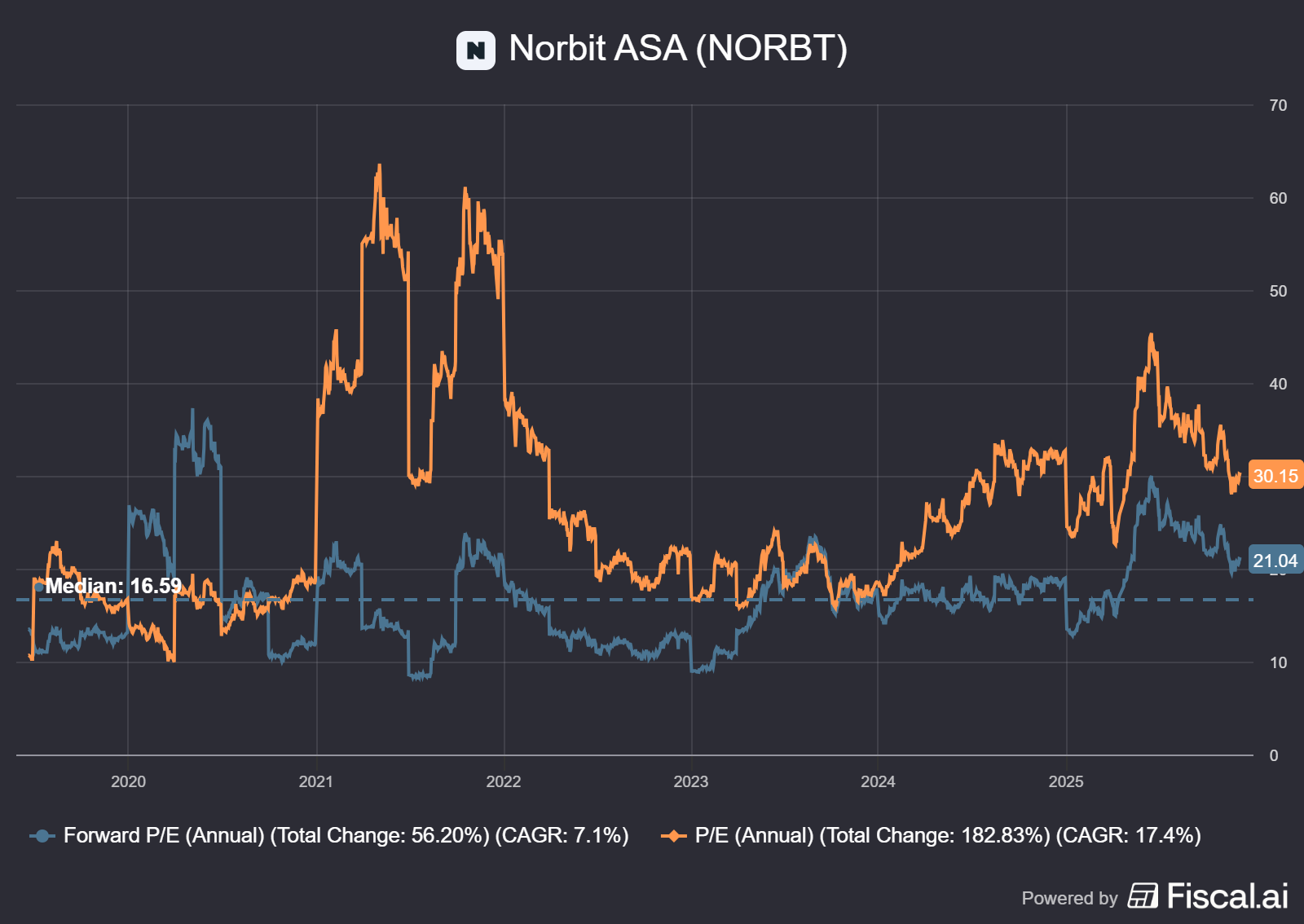
At today’s levels, NORBIT trades on a trailing P/E ~30 and a forward P/E ~21 depending on the data source and timing – above its five-year average but not outlandish for a business compounding cash flows at a brisk clip.
On a cash lens, P/OCF hovers around the mid-20s and P/FCF has nearly doubled from end of 2024 (21.5) to last Q2 data (41.3). FCF yield is about 2-2,5%. That’s consistent with the strong rerating the shares enjoyed into 2025.
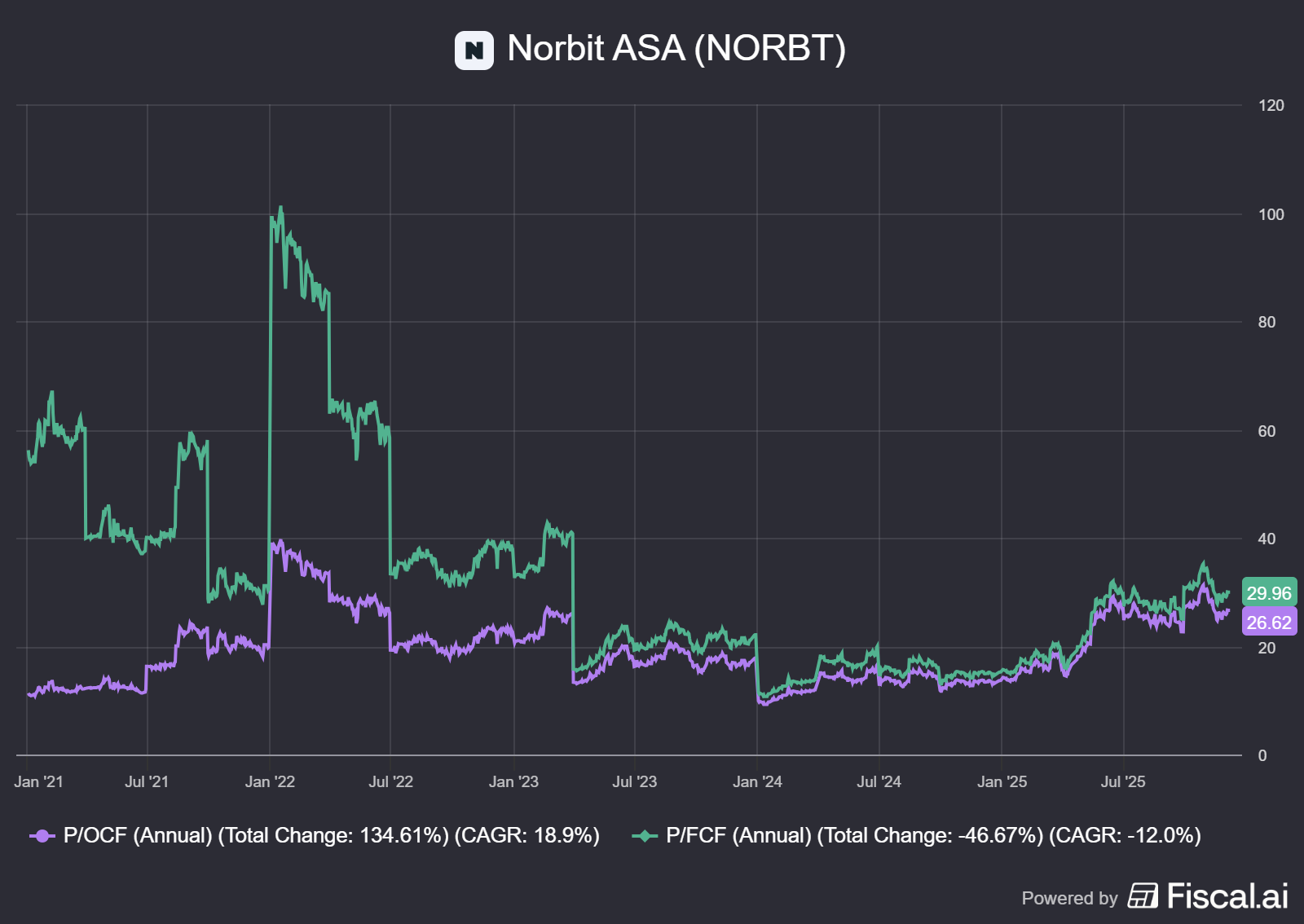
The market is paying up for quality execution and visibility. That’s because nothing is “broken” in the numbers, but there is just little cushion if growth normalizes sooner than hoped.
What’s Gone Right (And Why the Market Is Paying Up)
Operations are humming. Q2-2025 set fresh records: revenue NOK 684m (+63% YoY), EBIT margin about 25%, and EPS up to NOK 2.06. Management raised FY-2025 guidance to NOK 2.5-2.6 billion revenue with ~25% EBIT margin. Segmentally, Oceans +22%, Connectivity +67%, PIR +118% YoY – a powerful breadth of growth.
Cash generation has inflected. Full-year 2024 FCF of NOK 286 million and continuing TTM strength into mid-2025 validate the investment case that NORBIT is scaling with cash conversion.
The strategy is landing. The Innomar acquisition broadens Oceans into sub-bottom profiling (complementary tech, different buyer budgets), with the deal closed in July 2024 and integration continuing under the Innomar brand.
End-market momentum is real.
Defence/security: From GuardPoint sonar orders to U.S. testing with NSWC Panama City (NORBIT: Successful U.S. Testing Of Guardpoint Intruder), NORBIT is increasingly relevant where budgets are expanding. Europe’s defence outlays are structurally up; SIPRI pegs 2024 global military spend at a new high with Europe +17% (Unprecedented rise in global military expenditure as European and Middle East spending surges | SIPRI), and EU/EDA data point to €343bn in 2024 and ~€381bn in 2025 (2025-eda_defencedata_web.pdf). Tailwind, meet product-market fit.
Tolling & connectivity: NORBIT’s ITS/DSRC and EETS-compliant offerings stay plugged into a multi-year digitalization of heavy transport and enforcement.
Subsea infrastructure: Oceans tools (multibeam, sub-bottom) ride survey demand across renewables and intercontinental cable routes – an area growing at 9-12%+ CAGR this decade (Submarine Optical Fiber Cable Market Trends 2025 to 2035)
DCF, Reverse DCF & What’s Priced In
Projecting off the last 24 months is very hard – the cash flow step-change distorts simple trend fits. Full-year 2024 FCF ~NOK 286 million and a rising 2025 run-rate set a higher base, but the critical question is durability of that run-rate versus contract timing and segment mix.
DCF framing (10% discount rate, 2.5% terminal) outputs for intrinsic value calculation:
Normal (15% FCF CAGR): NOK ~162.5 (a 9% overvaluation at todays prices)
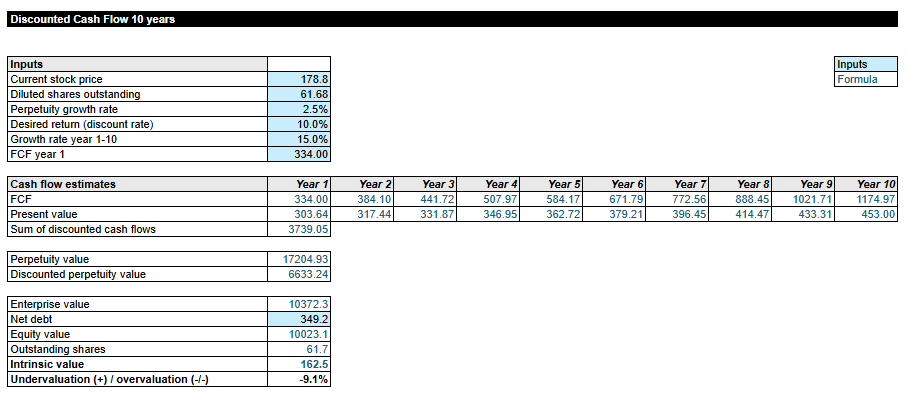
Bear (10%): NOK ~115 (a 35% overvaluation at todays price)
Bull (20%): NOK ~227 (a 27% undervaluation at todays prices)
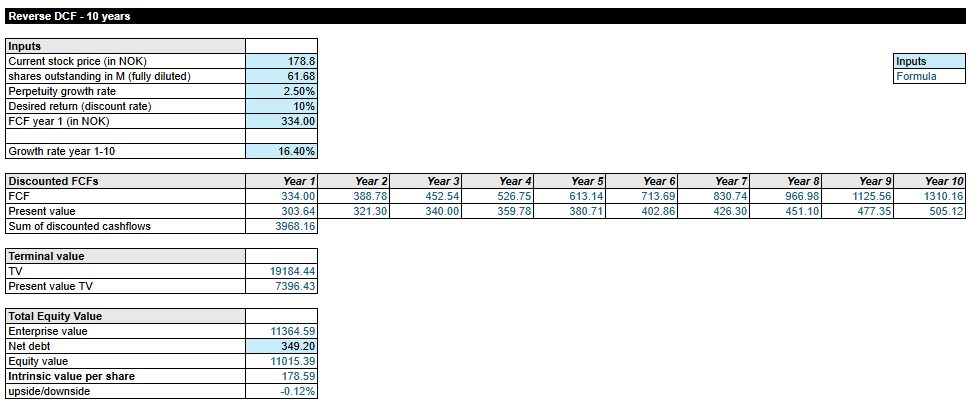
Reverse DCF implies the market is underwriting a 16.4% FCF yearly growth off the latest base – potentially reasonable for the next 1-2 years, maybe demanding beyond that. The math squares with a ~2-2.5% FCF yield against a 10% hurdle, which indeed requires sustained compounding to justify today’s price.
The table below updates the Reverse DCF using the most recent FCF data (Q2 2025), and it continues to indicate that the current valuation remains demanding.
Why I Still Call the Setup “Stretched and Fragile”
Contract concentration & timing. Visibility is great today, especially in PIR and Connectivity, but it’s contract-driven. Big awards in defence/security manufacturing (PIR) are fantastic proof points – NOK 260m (Mar-2025) plus fresh NOK 120m (Oct-2025) orders – but they can cluster and taper quarter-to-quarter. The pipeline is strong; the cadence is uncertain.
Mix can swing margins. Q2-2025 gross margin dipped vs. Q2-2024 due to segment mix (PIR share up; Connectivity margin down), even as EBIT margin held a solid ~25% on operating leverage. If the mix shifts unfavourably for a couple of quarters, earnings power looks different than the top-line suggests.
Macro is a tailwind – until it isn’t. Europe’s defence spending impulse looks structural (SIPRI/EDA), and the EU is even designing SAFE loans to accelerate procurement. But equities have priced part of that up-and-to-the-right narrative already; any procurement delays or politics can wobble near-term prints.
Competition & product cycles. Oceans is levered to innovation (e.g., new sonar platforms and Innomar sub-bottom lines). That’s a plus – but it also means maintaining the edge via R&D cycles and capital allocation discipline. The 2024 annual report shows NORBIT scaling R&D to keep the flywheel spinning.
Strategic Lens: Why the Long-Term Story Still Excites Me
Oceans sits at the intersection of blue-economy capex (offshore wind, ports), security, and subsea cables. The latter is experiencing high single- to low-double-digit CAGR as hyperscalers and carriers lay capacity; better survey fidelity and DOB tools remain mission-critical. Innomar strengthens the product stack exactly where budgets are rising.
Connectivity taps DSRC/EETS tolling and compliance layers for heavy transport – a classic “regulated rails” dynamic that rewards trusted vendors. NORBIT’s long operating history and certification muscle are moat-like in practice.
Security/Defence creates optionality: U.S. testing of GuardPoint and international sonar orders validate capability and open doors for follow-on systems across ports, critical infrastructure, and naval use.
“Missed the Train”? Maybe. But Missed Trains Often Stop Again.
I share the feeling: sub-NOK 100 in 2024 was the fat pitch. If the stock revisits more attractive territory, the key will be why:
If it’s sentiment (risk-off, small-cap wobble), that’s one thing.
If it’s fundamental (order pushouts, mix headwinds, regulatory hiccups), we need to reassess duration and earnings power.
NORBIT is a high-quality operator executing a clear plan, in markets that matter more each year. The premium is understandable; the margin of safety is probably not. I’m content to own the watchlist here: let multiples compress or visibility extend – preferably both.
Until then, I’ll keep updating my model with each print and watch for:
FY-2025 delivery vs. raised guide (NOK 2.5-2.6 billion at ~25% EBIT margin).
Order cadence in PIR/Defense and Oceans sonar traction (GuardPoint/intruder detection, multibeam upgrades).
Connectivity margins and regulatory tea leaves in EU tolling.
If we get a pullback towards a 40% margin of safety versus the Bull-case DCF (NOK ~227), which makes a price of NOK 136.2 (my buy-below price) and without a fundamental crack, I’d likely scale in. For now, although stock price is not far from the base case, I will stay patient. That’s the discipline I owe future me.
Customer base: Who Buys, Why It Matters, and What to Watch
NORBIT’s customer base consists of industrial, commercial, and governmental entities across the globe. The company operates on a business-to-business (B2B) model, with each business segment addressing distinct customer profiles and needs.
From 2024 Annual report: “Today, more than 80 per cent of our revenues come from exports to around 60 countries, while the share of revenues from sale of technology based on our own intellectual property is close to 75 per cent.”
NORBIT sells to three distinct (but converging) buyer universes: (1) hydrographic surveyors, energy & maritime infrastructure, and security agencies that need multibeam sonar and underwater surveillance (Oceans); (2) tolling operators/EETS providers, fleet owners and insurers that need connected devices and telematics (Connectivity); and (3) European defence & industrial OEMs that need “Made in Europe” contract manufacturing and product realization (PIR).
Let’s explore this further.
Oceans
Hydrographic survey contractors and hydrographic offices mapping harbours, channels, and coastal zones (e.g., case studies on pipeline depth-of-burial, bridge pillar, wreck/port surveys).
Offshore energy & infrastructure (offshore wind, cables/pipelines, dredging & port construction) using high-resolution bathymetry and monitoring systems. Rental houses (e.g., Ashtead Technology; James Fisher Subtech) make NORBIT kits standard options for service firms an underappreciated demand amplifier.
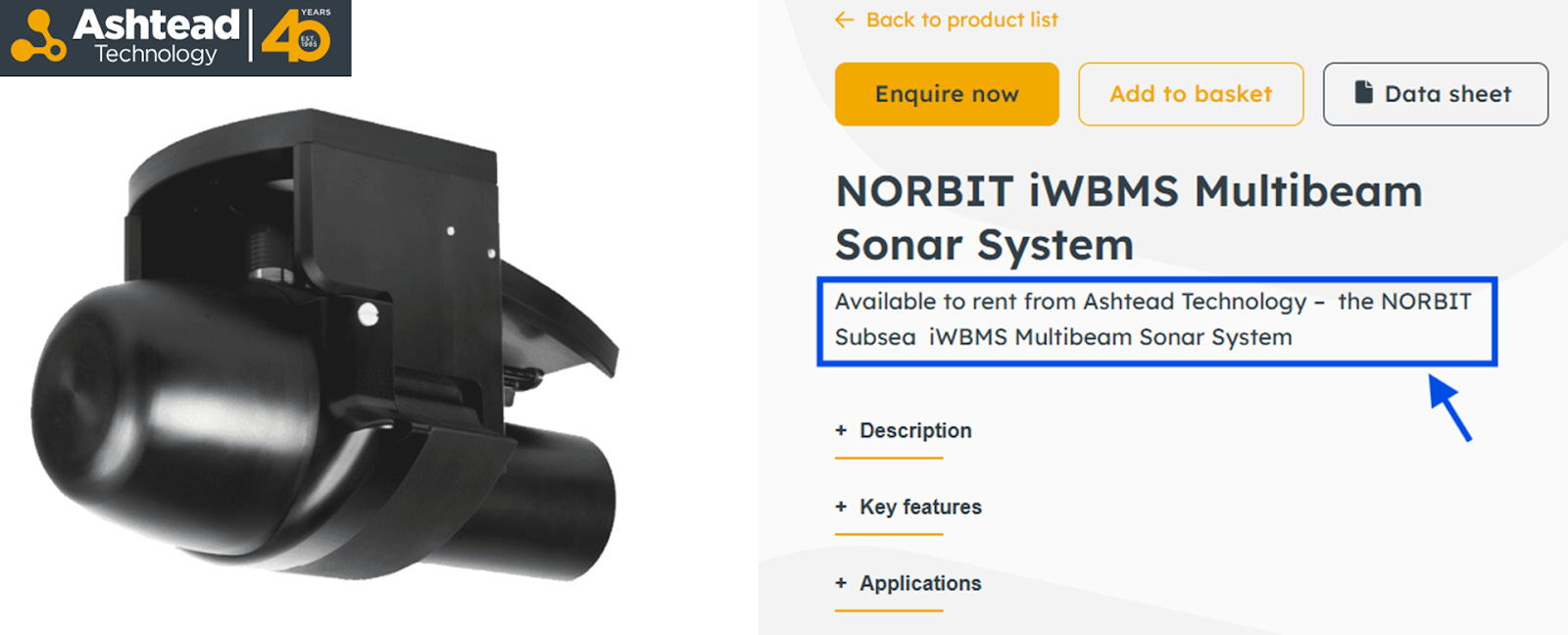
Ashtead Technology’s website promoting NORBIT’s sonar for rent
USV (Unmanned Surface Vessels)/AUV (Autonomous Underwater Vehicle) platform operators (Saildrone, XOCEAN, Maritime Robotics) integrating WINGHEAD/WBMS on unmanned fleets. Structurally expanding the addressable fleet of sensors.
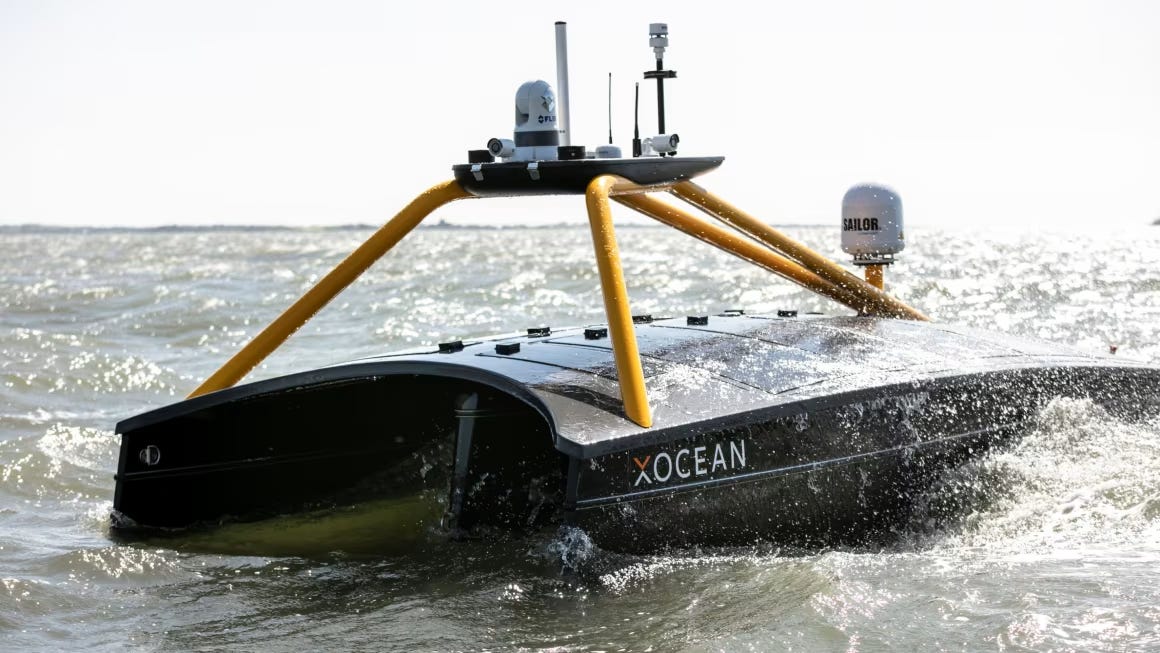
XOCEAN’s USV equipped with NORBIT’s iWBMS
Defence, coast guards & port authorities for obstacle avoidance, MCM (Mine Countermeasures) roles and port/critical asset surveillance. Management highlights rising demand for GuardPoint.
The procurement of advanced sonar systems is increasingly shaped by a dual-track model: capital expenditures (Capex) from survey firms and public agencies drive foundational investments, while operational expenditures (Opex) via rental models enable faster deployment and smoother adoption cycles. This rental approach not only mitigates budgetary constraints but also facilitates early trials and broader market penetration.
A key growth vector lies in the integration of sonar technologies into unmanned surface vehicles (USVs) and remotely operated vehicles (ROVs), which fosters long-term platform commitments and retrofit opportunities as new sonar generations enter the market. The timing is critical: with expanding port infrastructure, rising investments in coastal and subsea assets, and increasing maritime security budgets across Europe, demand is surging. NORBIT’s 2024 Annual Report underscores this momentum, citing “increasing demand for underwater surveillance technology,” a trend that reflects both geopolitical shifts and the strategic importance of subsea domain awareness.
Connectivity
EETS providers & tolling operators (such as Toll4Europe) adopting advanced hybrid GNSS+DSRC OBUs made in Norway or DSRC tolling customer-branded solutions.
Mobility Service Providers & Fleet Operators integrating OBUs into fleet management for heavy trucks and buses, enabling toll settlement and telematics in one device. One example is the deal with DKV to step into the Italian road tolling market for trucks (NORBIT steps into the Italian road tolling market together with DKV - NORBIT)
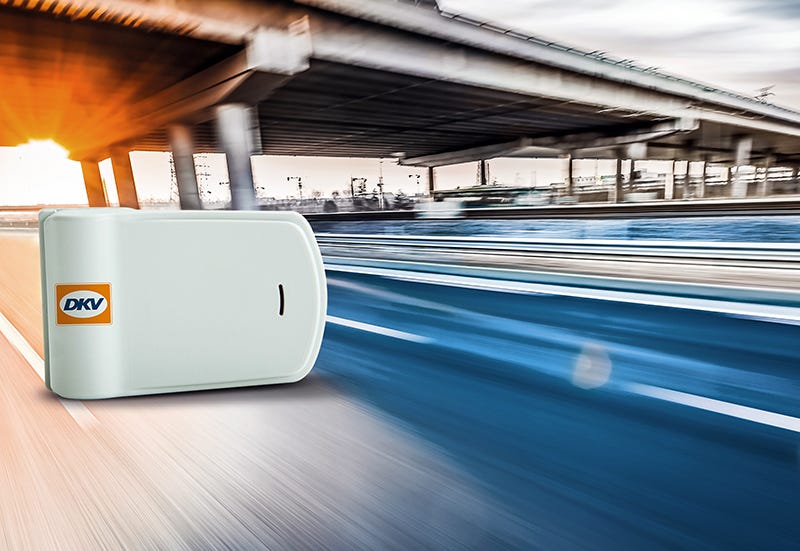
NORBIT’s tolling module for DKV
Insurance & Industrial Companies. NORBIT’s Smart Data sub-segment (through the acquisition of iData in 2021) serves insurance companies and industrial fleets with telematics, fuel control, and vehicle monitoring.
OEMs & System Integrators. NORBIT’s DSRC modules and hybrid OBUs can be embedded into OEM (truck and bus manufacturers) dashboards or integrated by system integrators for smart tachographs, GNSS enforcement, and multi-application OBEs (On-Board Equipment).
IoT & Asset Tracking Clients use NORBIT’s connected solutions (IoT/BLE devices) for non-vehicle asset (containers, machinery, tools) monitoring in logistics, construction, and industrial verticals.
NORBIT’s Connectivity segment serves multiple buyer groups with distinct procurement paths. EETS providers and tolling operators (e.g., Toll4Europe, DKV) typically run long-cycle tenders or framework agreements for GNSS+DSRC OBUs, requiring certification and phased deliveries. Fleet operators and mobility service providers purchase OBUs bundled with toll settlement or telematics, often via partners like DKV, while iData offers SaaS subscriptions for fleet tracking and fuel control, creating recurring revenue. OEMs and system integrators source DSRC modules for smart tachographs under multi-year supply deals aligned with vehicle platform timelines. Finally, IoT and asset tracking clients adopt NORBIT’s BLE and telematics solutions through direct subscriptions or industrial resellers, usually after short pilot phases.
PIR
Defence & security OEMs have emerged as the fastest-growing group, driven by geopolitical imperatives for European manufacturing sovereignty and IP protection. Large spot orders (the last ones in March and May 2025 of about NOK 260 and 125 million respectively) underscore this momentum. Unfortunately, in case of defence and security client and scope of supply are undisclosed. (NORBIT - Awarded NOK 260 million orders)
Automotive OEMs and Tier-1 suppliers remain a cornerstone, providing a stable base load through long-term programmes for vehicle electronics, supported by IATF 16949 certification. NORBIT is gradually reducing the focus on automotive given the current challenges the industry is facing.
Medical/pharma equipment manufacturers leverage NORBIT’s ISO 13485-certified facilities for medtech devices and pharma automation systems, a segment benefiting from healthcare digitization
Industrial/tech firms nergy, maritime, and automation rely on PIR for rapid prototyping and scalable production. Together, these clusters balance recurring demand with high-growth opportunities, positioning PIR as both a resilience play and a strategic growth engine.
The procurement of EMS and product realization services in PIR follows a dual-track dynamic: long-term framework agreements from automotive and medtech customers provide a stable base load, while project-driven contracts – notably in defence and security – inject high-growth volatility. Automotive programmes typically involve multi-year commitments tied to vehicle platforms, whereas defence and industrial tech projects demand rapid scale-up and localized production, often under strict compliance and IP security requirements. This shift reflects a structural trend: geopolitical pressures and nearshoring strategies are elevating European manufacturing sovereignty as a procurement priority, while healthcare digitalization sustains medtech demand. NORBIT’s 2024 Annual Report underscores this pivot, noting that defence and security now account for a growing share of PIR revenues, signalling a transition from automotive-centric stability toward a balanced model of resilience and strategic growth.
Customer Concentration and Diversification.
NORBIT has historically had some customer concentration, particularly in the Connectivity segment, which relied on long-term contracts with a few major clients. However, a key part of the company’s recent strategy has been to broaden its customer base to reduce this dependency.
NORBIT maintains geographic diversification across Europe, North America, and other international markets. This diversification reduces exposure to regional economic conditions while enabling proximity to key customer markets. While Oceans segment is truly globalized, Connectivity and PIR are pretty much Europe-only.
What I’m watching next
GNSS OBU commercialization & EETS traction (2025-2026): Execution on Toll4Europe deliveries and follow-on wins as more toll domains formalize GNSS - and as hybrid DSRC/GNSS becomes a de‑facto specification in multi-country fleets. Monitor additional EETS accreditations and OBU upgrades (4G displays, OTA feature sets).
Defence/security intensity in PIR: The 2024-2025 step-up looks structural and linked to increase in European military spend outlook; look for multi‑year frameworks vs. spot orders, potential capex expansions at Selbu/Røros, and visibility beyond H2’25 deliveries.
Oceans cycle durability & USV penetration: Watch for continued adoption of WBMS X and WINGHEAD i80S on USVs, and any broadening of GuardPoint backlog (a proxy for port/critical infrastructure security budgets).
NORBIT’s customer base is “wider than it looks”: from survey skippers to EETS platforms to defence OEMs - diversification that cushions cycles while letting each segment ride its own megatrend (blue economy, connected mobility, European sovereignty in defence/industry). 2024 delivery and 2025 momentum validate that strategy; now, execution on GNSS OBUs and scaling PIR defence programmes will be the needle‑movers for the next leg.
Industry Context: David Among Goliaths
NORBIT operates across multiple specialized technology markets rather than within a single defined industry, creating both opportunities and complexities in competitive analysis. The company’s three business segments address distinct market structures and competitive environments, from maritime technology to transportation monitoring and specialized manufacturing.
NORBIT’s genius lies not in fighting giants head-on, but in carving out defensible positions across the different segments.
Market Structure
The markets NORBIT serves are generally not monopolies but can be described as “oligopolistic or fragmented niches”.
In the maritime technology space (Oceans), the market is comprised of several specialized players. NORBIT competes by offering highly integrated, compact, and high-performance sonar systems. Its acquisition of Innomar further solidifies its position in the sub-bottom profiler niche.
In the automotive connectivity market (Connectivity), NORBIT holds a leading position as an independent supplier of DSRC-based solutions for specific applications like truck tolling and tachographs. This is a niche within the much larger automotive electronics industry.
The contract manufacturing industry (PIR) is highly fragmented. NORBIT differentiates itself by offering high-complexity, specialized manufacturing in Europe, combined with R&D services, which is attractive to customers seeking quality and supply chain security.
Let’s now dissect each battlefield and the players NORBIT faces.
Competitive Landscape
Oceans
The “whales” in this ocean are the system integrators and full-suite providers: Kongsberg Discovery, Teledyne Marine (with sub-brands like RESON and BlueView), L3Harris, Saab.
These companies supply large, integrated sonar systems, naval ASW (Anti-Submarine Warfare) suites and OEM equipment for newbuilds and defence programmes. They have deep customer relationships, aftermarket service businesses and scale advantages in large defence contracts. Kongsberg explicitly reports a high share of maritime aftermarket revenue, an advantage when defending installed base business.
NORBIT does not only compete with giants but also with other niche specialized players: R2Sonic, Kraken Robotics, Imagenex.
These are smaller product-focused companies that compete on price/performance for commercial survey customers, AUVs, and niche defence tasks. They are more agile, often focused on a limited number of sonar product lines or sensors.
Note: L3Harris, Saab, and Raytheon focus primarily on strategic naval defence – outside NORBIT’s core commercial and light-defence sweet spot, therefore I will opt them out.
Sizing the Players (Comparable segments only)
(Values in USD millions; margins based on latest available data)
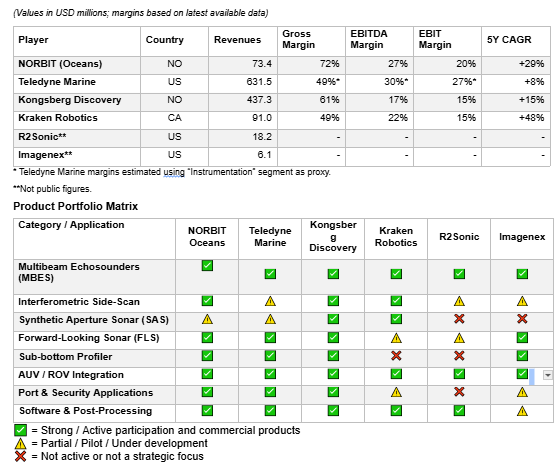
Key Takeaways:
Teledyne covers nearly every sonar type via its sub-brands (RESON, BlueView, Benthos, Odom, Gavia). It also prevails for its unmatched distribution and integration capabilities.
Kongsberg dominates system integration and large-scale sonar suites and has full integration into its AUVs.
Kraken leads in SAS and autonomous payloads with strong defence traction.
R2Sonic is the benchmark for portable multibeam echosounders and leads in OEM relationships and global brand.
Imagenex focuses on low-cost imaging and profiling sonars for shallow-water ROV/AUV and research.
NORBIT’s Edge:
Compact high-performance systems: Easier deployment for small survey vessels.
Cost efficiency + simplicity: Attractive for commercial operators.
Integrated interferometric solutions: Strong in MBES and Side Scan Sonars for ports and infrastructure.
Recurring service opportunities: Broader industrial customer base.
With its technical reliability and innovation capacity, NORBIT was also able to gain a strong position in North America. Over the last decade, NORBIT captured USD 8 million in U.S. federal spend (Data source: https://www.usaspending.gov), outpacing R2Sonic and dwarfing Kraken Robotics and Imagenex. This is remarkable for a foreign player competing against entrenched U.S. brands!
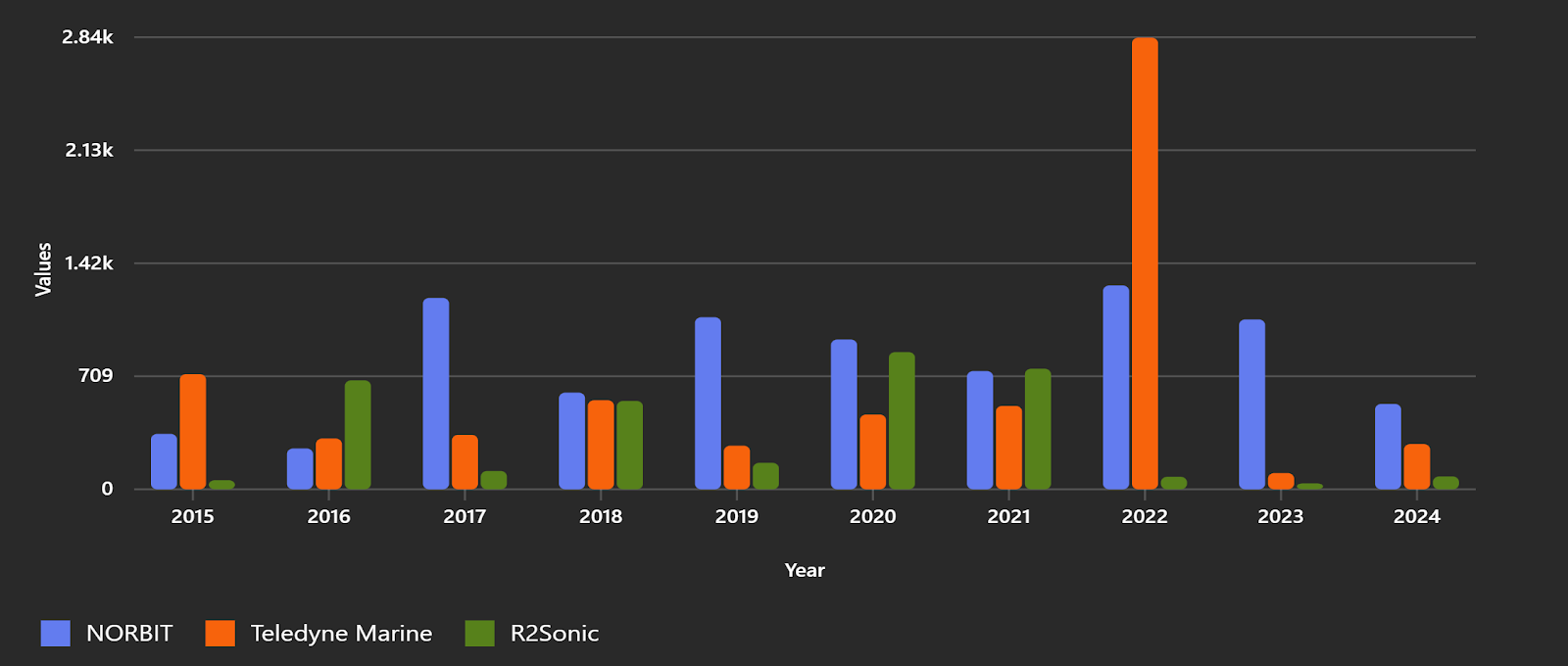
Data source: https://www.usaspending.gov
NORBIT wins by playing small and smart: focusing on compact, integrated sonar solutions for commercial and security markets, while giants dominate heavy defence and system integration. Its agility, cost efficiency, and U.S. traction make it a credible challenger in a fragmented yet strategically vital ocean tech landscape.
NORBIT is not trying to be Kongsberg or Teledyne. Instead, it thrives in the “lightweight, high-precision” niche – where agility, integration, and affordability matter more than scale.
Connectivity
In the age of digital infrastructure, roads are no longer just asphalt and signage – they’re becoming intelligent networks. From GNSS-based tolling to IoT-enabled asset tracking, the transformation of transportation systems is accelerating across Europe and beyond. At the heart of this evolution lies NORBIT’s Connectivity arm that has quietly become one of its most valuable growth engines: high-margin on-board units (OBUs), DSRC modules for tachograph enforcement, and tailored telematics for fleet & mobility customers.
What differentiates NORBIT is its positioning: it doesn’t try to build entire traffic systems but focuses on the high-value, scalable components – the certified, compliant “intelligence” that goes into vehicles and enforcement networks.
The Connectivity ecosystem spans multiple layers of the value chain – from module OEMs to ITS integrators and automotive Tier-1 suppliers. Each group competes (or collaborates) with NORBIT in different ways.
(a) Module giants – the component layer
Quectel (China) and u-blox (Switzerland) dominate the global GNSS and cellular module market, with massive economies of scale and access to the latest chipsets.
Quectel: USD 2.5 billion revenue, 17% gross margin, 5% EBITDA margin; excels in price and supply chain control.
u-blox: USD 290 million revenue, 46% gross margin, but negative EBIT due to R&D overinvestment.
These companies sell to NORBIT rather than compete directly – NORBIT integrates their modules into certified, vehicle-grade OBUs, adding firmware, DSRC interface logic, and software layers for fleet data and enforcement.
Strategic takeaway: NORBIT competes up the value chain, turning commodity modules into regulatory-grade systems.
(b) European ITS specialists – the system integrators
Intelligent Transport System specialists in Europe (the market NORBIT is primarily competing in Connectivity) are system integrators and service providers for tolling, enforcement, traffic management and smart mobility platforms. They deliver end-to-end solutions (back-office, roadside, enforcement pillars, V2X platforms). Q-Free, Kapsch, and Movyon are leaders in these systems:
Q-Free – Norwegian competitor with extensive experience in DSRC OBUs. It also plays in the traffic management with solutions based on ALPR (Automatic Licence Plate Recognition) systems and adaptive signal control as well as other toll collection systems such as Multi-Lane Free Flow (MLFF), and enforcement software.
Kapsch – Austria-based listed – and probably the largest – player in ITS. As Q-Free, they specialize in tolling and Traffic Management having in its portfolio GNSS/DSRC OBUs, MLFF and ALPR systems, and cloud-based tolling platforms.
Movyon – Italian company part of Autostrade Group that combines DSRC/GNSS OBUs with ALPR and V2X platforms; its strength lies in Italy’s national MLFF systems.
These firms are frequently customers and partners for turnkey deployments – they purchase OBUs, enforcement modules, or integrate NORBIT’s technology into their broader service stacks. However, they also have the capacity to verticalize, meaning they can develop or source OBUs themselves, making them potential competitors when they opt for upstream control.
Their competitive strength lies in their broader ITS portfolios, which allow them to deliver comprehensive traffic systems beyond toll tags. Notably, they are active in Multi-Lane Free Flow (MLFF) systems – barrier-less tolling platforms that use overhead gantries equipped with sensors and cameras to identify vehicles and automatically deduct tolls, eliminating the need for drivers to stop. These systems typically combine toll tag readers with Automatic License Plate Recognition (ALPR) to ensure coverage for vehicles without tags or with malfunctioning devices. Because toll tags represent only a small fraction of total system revenues, companies like Kapsch, Q-Free, and Movyon prioritize MLFF and enforcement infrastructure. This dynamic could also play to NORBIT’s advantage. By focusing on tag development and production, NORBIT avoids the capital intensity and public procurement cycles associated with heavy traffic systems increasing its flexibility to pivot toward the more agile, service-driven tolling ecosystem where NORBIT thrives.
(c) Tier-1 automotive and tachograph suppliers – the OEM gateway
The market for vehicle telematics, digital tachographs, and automotive-grade electronics is dominated by global automotive leaders: Continental and Stoneridge.
Continental – stands apart as the largest and most strategically ambivalent player: simultaneously partner and competitor. its VDO brand is Europe’s leader in digital tachographs (DTCO) and DSRC-based enforcement. Continental’s scale and OEM integration give it dominance in factory-installed systems. However, Continental may choose to source complementary modules from partners like NORBIT – particularly for niche or regulatory-compliant subsystems.
Stoneridge – an American automotive supplier with European operations, competes in digital tachographs and telematics. The company has deep experience in fleet compliance systems and DSRC technology, leveraging a broad installed base of OEM customers. Stoneridge strategy emphasizes integration with vehicle electronics and advanced driver-assistance data, rather than pure tolling applications.
Compared with these beasts, NORBIT’s advantage is agility and specializations. It operates in niche compliance-driven domains – such as tachograph enforcement and GNSS-based OBUs for EETS operators – where certifications, speed to market, and adaptability outweigh global manufacturing scales.
Sizing the Players (Comparable segments only)
(Values in USD millions; margins based on latest available data)
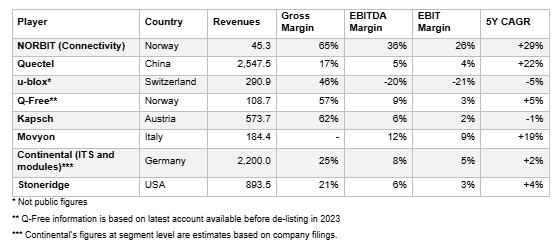
The comparison highlights NORBIT’s superior profitability compared to peers – a rare case of a small cap European tech firm with margins > 25% in a hardware-based industry. On the other hand, NORBIT’s USD 45 Million segment revenue is small versus main players (such as Kapsch or Movyon) – limiting lobbying and bid capacity for large public projects.
Product Portfolio Matrix
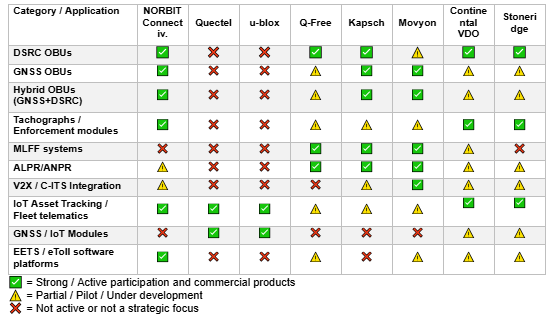
Key Takeaways:
Quectel & u-blox are mostly component suppliers – not direct competitors to NORBIT at the system level but they push down module prices and control access to chips. NORBIT’s moat here is integration, certification and vertical value-add
Q-Free, Kapsch & Movyon have the widest portfolio, but their hardware (OBU) business are relatively small contributors to group revenue. They are integration partners and occasional upstream competitors. NORBIT operates one layer down the value chain, avoiding the political, capex-heavy, and low-margin world of MLFF projects. These companies’ EBIT. margins (2-9%) contrast sharply with NORBIT’s 26%, underlining its asset-light, product-driven model.
Continental and Stoneridge lead in tachographs but their modules are integrated into broader automotive systems rather than offered as standalone tolling products – which reduces flexibility in serving non-OEM customers.
NORBIT’s Edge:
Compliance: Its DSRC enforcement modules give NORBIT a unique compliance foothold, directly linked to EU Smart Tachograph mandates. Continental dominates the OEM tachograph market, but NORBIT remains the reference supplier for external enforcement and aftermarket systems.
Profitability: NORBIT’s EBIT margin (26%) is 3-10x higher than peers in tolling and ITS.
Flexibility: Vertically integrated production enables cost control and faster iteration than system integrators bound by tender cycles.
Installed base: high penetration in EU heavy trucks establishes a durable commercial moat.
Recurring revenue: about 20% subscription share (iData platform) builds resilience absent in most ITS peers.
NORBIT sits in a sweet spot between hardware commoditization and infrastructure complexity:
Above: chip suppliers (Quectel, u-blox) who lack integration and regulatory competence.
Below: heavy ITS players (Kapsch, Q-Free, Movyon) whose economics are burdened by large-scale public contracts.
Its hybrid technology, vertical control, and regulatory focus give it an enduring edge in the midstream of Europe’s connected mobility stack. While the giants build the networks, NORBIT builds the boxes – smarter, lighter, and far more profitable.
PIR
In a world chasing scale, PIR operates in the quieter but harder business of precision. It’s where NORBIT’s engineering brain meets its manufacturing muscle – a fully integrated ecosystem that designs, prototypes, and builds high-reliability electronics for clients who can’t afford failure. From medical devices to defence modules and industrial automation boards, PIR’s value lies in control: over design, quality, and increasingly, over geography.
As Europe scrambles to secure supply chains and rebuild strategic manufacturing capacity, PIR has emerged as one of Norway’s most sophisticated design-to-production platforms. Yet this is no empty niche – the field is crowded with regional EMS giants, Nordic specialists, and defence primes expanding into electronics. The battle isn’t just about who can build cheaper, but who can build smarter – closer to the client, with better compliance, confidentiality, and agility.
Direct EMS and Contract-manufacturing competitors fight with PIR for contract manufacturing, industrialization and EMS work across defence, medical, industrial and mobility segments. Kitron (Norway) is the closest and natural competitor in the Nordics with scale in defence, medical and industrial EMS and broad European footprint. Kitron competes on regional presence, multi-site capacity and local certifications. Scanfil (Finland) sits also in Scandinavia, and it can scale production and serve industrial customers across Europe; competes on volume, cost structure and multi-site manufacturing.
Other EMS players – regional specialists such as Hanza, GPV, Inission and large global EMS groups (Flex, Celestica, Jabil) – they can undercut on price or offer global supply-chain reach; PIR competes by selling “high-reliability / Europe-based” manufacturing and integrated R&D. Its European manufacturing, regulated market certifications (e.g. medical) and integrated R&D are direct differentiators versus pure low-cost EMS – but scale and price pressure from bigger EMS groups remain a constant headwind.
Large defence primes both compete for and partner on systems that include electronics modules. Kongsberg, a name already familiar from NORBIT’s Oceans segment is strong in missiles, maritime, C5ISR and subsea technology. It competes for defence electronics programmemes and is scaling production capacity. Recent financial/contract momentum strengthens its market position. Other large European defence integrators (Thales, Leonardo, Saab) supply integrated systems like radars, communications, and C5ISR. These players may source modules from suppliers like PIR or keep production in-house, depending on strategic priorities. The Thales–Kongsberg communications JV in Norway illustrates how consolidation at the prime level can shift sourcing dynamics.
For defence work, PIR’s sweet spot lies in specialized modules and certified manufacturing rather than entire systems. Primes may subcontract this work – creating both opportunity (tier-1 supplier) and risk (primes insourcing or favouring large suppliers/JVs). PIR’s combination of signal/RF expertise and manufacturing is an advantage for NORBIT. However, for ultra-specialised subsystems incumbents with decades of domain experience – particularly in subsea electronics, medical device electronics, radar/RF modules, or secure communications – can be preferred by certain customers. These companies are specialized in subsea electronics, medical device electronics, radar/RF modules, or secure communications. These niche players, though smaller, often possess deep technical expertise and long-standing customer relationships.
On the other hand, NORBIT cannot compete in pure cost-led tenders against large EMS players, nor can it match the scale and multi-site redundancy of regional leaders. This exposes PIR to price and margin pressure, especially when customers prioritize cost over reliability or proximity. Additionally, the consolidation among defence primes – such as the Thales–Kongsberg JV – may reduce subcontracting opportunities or shift preference toward larger, vertically integrated suppliers. Finally, in highly specialized domains like subsea, medical, or radar electronics, PIR faces competition from niche incumbents with entrenched customer relationships and deep domain expertise, which can limit its ability to win certain high-value contracts.
PIR’s strength lies in its ability to offer a tightly integrated, high-reliability, Europe-based design and manufacturing platform tailored to the needs of regulated and mission-critical industries. Its unique blend of R&D, industrialization, and certified production positions it well for clients seeking agility, compliance, and supply chain resilience. However, to sustain its edge, PIR must continue to navigate the dual pressures of cost-driven competition and evolving customer dynamics, particularly in defence and specialized industrial segments. Its future success will depend on deepening its domain expertise, reinforcing its value in high-trust applications, and staying agile in a consolidating and increasingly competitive landscape.
Growth Drivers: Engineering the edge
NORBIT’s growth is fuelled by a multi-faceted strategy that combines organic expansion with strategic acquisitions. The company has a proven ability to identify and capitalize on opportunities within its niche markets.
Product Line Expansions and R&D
A core growth driver is the continuous development of new and improved products. NORBIT consistently reinvests around 5-6% of its revenue into R&D to maintain its technological edge. Research and development investment drives growth through new product development and technology enhancement. This commitment enables introduction of advanced solutions that address evolving customer needs and capture market share from competitors with less advanced offerings.
Recent product innovations, such as the WBMS X sonar system, have contributed to strong revenue growth in the Oceans segment. In Connectivity the creation of next-generation devices for trucks and modules for digital tachographs has opened up large, long-term contracts. These innovations demonstrate NORBIT’s ability to translate technical capabilities into commercial success through targeted product development.
Strategic acquisitions enhance the product portfolio while providing immediate revenue contributions. The acquisitions of PING DSP and Innomar added complementary technologies that expand market addressability while leveraging NORBIT’s existing sales and distribution capabilities.
Market Demand Drivers
Several macro trends support long-term demand growth across NORBIT’s markets. Offshore wind energy development creates expanding opportunities for maritime monitoring and surveillance systems as operators require technology solutions for installation monitoring and maintenance. In this sense I like this statement from the CEO: “I think the world has realized that we do need to take more care of what’s going on underwater. It’s a lot of critical infrastructure underwater that has been without any kind of surveillance”.
Environmental monitoring requirements continue increasing globally, driving demand for specialized sensing and surveillance equipment. Regulatory mandates for maritime safety and environmental protection create ongoing market growth independent of economic cycles.
The defence and security sector presents significant growth potential due to current geopolitical conditions and emphasis on European manufacturing capabilities. NORBIT’s positioning as a qualified European technology provider creates competitive advantages in this expanding market.
Transportation infrastructure modernization drives demand for electronic tolling and fleet monitoring systems. Regulatory requirements for commercial vehicle monitoring ensure stable demand foundations while technology evolution creates opportunities for system upgrades and replacements.
Pricing Power and Market Expansion
NORBIT demonstrates strong pricing power due to the specialized nature of its products and limited competition in specific applications. Maritime customers prioritize performance and reliability over price, enabling premium pricing for superior technology solutions. The company’s ultracompact and wideband multi-beam sonar technology commands price premiums based on technical superiority and operational benefits.
Recent contract awards demonstrate pricing strength, including significant defence sector contracts that reflect customers’ willingness to pay premium prices for qualified European manufacturing and specialized capabilities. This pricing power supports margin expansion and profitability growth beyond pure volume increases.
Geographic expansion provides substantial growth opportunities across all segments. NORBIT’s established manufacturing presence in Europe and North America creates platforms for broader market penetration while maintaining customer proximity and regulatory compliance.
Operational Leverage and Efficiency
NORBIT’s business model provides operational leverage as the company scales across its diversified segments. Fixed costs in R&D, manufacturing infrastructure, and administrative functions can support higher revenue levels, creating margin expansion opportunities as the business grows.
Manufacturing capacity investments position the company to capture increased demand without proportional cost increases. Recent capacity expansion initiatives enable NORBIT to serve growing customer requirements while maintaining delivery reliability and quality standards.
The company’s global sales and distribution platform provides leverage for introducing new products and expanding into additional markets. This infrastructure investment creates sustainable competitive advantages while supporting growth across multiple segments simultaneously.
Strategic Partnership and Acquisition Opportunities
NORBIT’s acquisition strategy focuses on complementary technologies that enhance existing capabilities rather than unrelated diversification. This approach enables rapid expansion of addressable markets while leveraging established customer relationships and distribution channels. Strategic partnerships with customers and technology providers create growth opportunities through collaborative development and market access. These relationships often evolve into long-term commercial arrangements that provide stable revenue foundations and expansion potential. The company’s strong balance sheet and cash generation capabilities support continued strategic initiatives without compromising financial flexibility or operational independence.
Growth drivers across NORBIT’s business segments demonstrate the company’s ability to capitalize on multiple opportunities simultaneously while maintaining strategic focus on specialized technology applications where competitive advantages can be sustained over time.
Risks Tide to the Model: Strength with strain
NORBIT’s business model, while resilient through diversification, faces several categories of risks that could impact financial performance and strategic objectives. The company’s exposure to specialized markets and technological complexity creates specific risk profiles that require ongoing management attention.
I categorize and rate risks Low, Medium and High.
Business and Market Risks (Severity: medium)
Market concentration in specialized applications creates exposure to demand variations within specific sectors. While diversification across three segments provides protection, significant changes in maritime, transportation, or defence spending could impact revenue growth. The specialized nature of applications means that customer project delays or cancellations can have meaningful financial impacts.
Competition from larger technology companies with greater resources poses ongoing risks. Companies such as Kongsberg Maritime, Teledyne Marine, or major transportation technology providers could potentially develop competing solutions or acquire specialized competitors, intensifying competitive pressure.
Technological obsolescence represents a continuous risk in rapidly evolving technology markets. NORBIT’s products must continuously evolve to maintain competitive positioning, requiring sustained R&D investment and successful innovation. Failure to anticipate technology trends or develop competitive responses could result in market share losses.
Customer concentration risks exist within individual segments, where large contracts or key customer relationships represent significant portions of segment revenues. Loss of major customers or contract delays could create revenue volatility and operational challenges.
Poor integration of acquired companies can dilute margins, lead to culture clashes, and destroy value. The company has demonstrated successful integrations so far, but this remains a material execution risk.
Operational Risks (Severity: medium)
Supply chain dependencies create operational vulnerabilities, particularly for specialized electronic components with limited supplier options. Global supply chain disruptions, as experienced during recent geopolitical events, could impact production schedules and cost structures.
Manufacturing complexity across multiple locations requires coordination and quality control systems. Operational disruptions at key manufacturing facilities could impact delivery capabilities and customer satisfaction, potentially affecting long-term relationships.
Key personnel dependency poses risks, particularly in specialized technical areas where expertise is difficult to replace. The company’s growth requires successful recruitment and retention of qualified engineers and technical specialists in competitive labour markets.
Quality control and product reliability risks exist across all segments, where product failures could result in customer dissatisfaction, warranty costs, and potential liability issues. Maritime applications, in particular, involve safety-critical systems where product failures could have serious consequences.
Regulatory and Compliance Risks (Severity: medium)
Regulatory changes affecting maritime safety, transportation monitoring, or defence procurement could impact demand patterns and compliance requirements. Changes in certification standards or regulatory frameworks could require significant adaptation costs and time delays.
International trade restrictions and export control regulations create complexities for global operations, particularly in defence-related applications. Changes in trade policies or security regulations could limit market access or increase operational complexity.
Environmental and sustainability regulations continue evolving, potentially requiring additional investments in product development and manufacturing processes to maintain compliance and competitive positioning.
Data privacy and cybersecurity regulations increasingly affect connectivity and monitoring applications, requiring ongoing investment in security capabilities and compliance systems.
Financial Risks (Severity: medium)
Currency exchange exposure affects international operations and financial results, as revenues and costs occur in multiple currencies including NOK, EUR, and USD. Significant currency movements could impact competitiveness and financial performance.
Project-based revenue timing creates potential for quarterly volatility, particularly in defence and large maritime contracts where customer acceptance and payment schedules may vary from initial projections.
Working capital requirements for inventory and customer financing could increase during growth periods, potentially impacting cash flow timing and financial flexibility.
Interest rate sensitivity affects the company’s cost of capital and customer financing decisions, particularly for large capital equipment purchases that may involve customer financing considerations.
External and Macro Risks (Severity: high)
Geopolitical tensions, while creating defence market opportunities, also create broader economic uncertainties that could affect customer spending patterns and international operations.
Economic recession risks could impact discretionary customer spending on technology upgrades and expansion projects, particularly in commercial maritime and transportation applications.
Cybersecurity threats against the company’s systems or customer installations could result in operational disruptions, liability issues, and reputation damage.
Climate change impacts could affect maritime operations and offshore installations, potentially creating both opportunities and risks for NORBIT’s maritime technology applications.
The company maintains risk mitigation strategies including insurance coverage, diversified operations, financial reserves, and operational contingency planning to address these various risk categories while pursuing growth opportunities.
Historical Evolution: From fjords to frontline
NORBIT’s business model has undergone significant evolution since its founding in the mid-1990s, transforming from a focused Norwegian technology company into a diversified global provider of specialized solutions. This evolution reflects strategic adaptations to market opportunities while maintaining core competencies in engineering and innovation.
Early Development Phase (1995-2008)
The company’s initial focus centered on developing specialized technology solutions for Norwegian and regional markets. During this period, NORBIT established its engineering capabilities and began developing the technical expertise that would later become the foundation for its global expansion. Key leadership development occurred during this phase, with Per Jørgen Weisethaunet joining as one of the first employees in 1995 and assuming the CEO role in 2001. This leadership continuity provided strategic vision and institutional knowledge that guided the company’s evolution. The 2008 transition to co-ownership by management aligned interests and provided the strategic foundation for subsequent growth initiatives. This ownership structure established long-term commitment to value creation and strategic development.
Strategic Diversification (2008-2019)
The period following management ownership saw deliberate expansion into multiple market segments. NORBIT developed its three-segment structure through organic growth and market development, addressing distinct customer needs across maritime, connectivity, and specialized manufacturing applications. Maritime expertise evolved from basic sonar applications to sophisticated subsea systems, environmental monitoring, and aquaculture solutions. This expansion demonstrated NORBIT’s ability to leverage core technologies across multiple maritime applications while building specialized market positions. Connectivity capabilities developed through addressing regulatory requirements for transportation monitoring and tolling systems. This segment emergence provided diversification beyond maritime markets while utilizing complementary technology capabilities. The PIR segment evolved as NORBIT recognized opportunities to monetize engineering capabilities through contract manufacturing and R&D services. This development created additional revenue streams while leveraging existing technical resources.
Public Market Transition (2019-2021)
The 2019 initial public offering marked a significant milestone in NORBIT’s evolution, providing capital for accelerated growth and strategic initiatives. Public market access enabled the company to pursue more ambitious expansion plans while maintaining operational independence. Post-IPO strategic initiatives included capacity expansion, R&D investment increases, and preparation for strategic acquisitions. The company used public market resources to strengthen competitive positioning while maintaining focus on specialized applications. Operational scaling during this period involved expanding manufacturing capabilities, strengthening global sales and distribution, and building organizational capacity to support larger-scale operations.
Acquisition-Driven Expansion (2021-2024)
Strategic acquisitions became a key component of NORBIT’s growth strategy, with transactions focusing on complementary technologies and market expansion opportunities. The acquisition approach emphasized enhancing existing capabilities rather than unrelated diversification. The 2023 acquisition of PING DSP added Interferometric Side Scan Sonar technology to the Oceans segment, demonstrating NORBIT’s commitment to technological leadership through strategic transactions. This acquisition provided immediate revenue contribution while expanding addressable markets. The 2024 acquisition of Innomar Technologie GmbH further strengthened maritime capabilities with sub-bottom profiler technology, creating one of the most comprehensive maritime technology portfolios in the industry. Revenue growth accelerated significantly during this period, culminating in record 2024 revenues of NOK 1,751.4 million. This growth reflected successful execution of the diversified strategy while maintaining profitability and margin expansion.
Current Strategic Phase (2024-Present)
Recent performance demonstrates the maturity and effectiveness of NORBIT’s evolved business model. Q2 2025 revenues of NOK 684.4 million, representing 63% growth, validate the strategic approach while highlighting the company’s scalability. Defence and security market expansion has become increasingly important, with significant contract awards demonstrating NORBIT’s capabilities in this high-value segment. This development reflects the company’s ability to adapt to changing market conditions while leveraging existing competencies.
The business model evolution has maintained NORBIT’s commitment to specialized applications while achieving the scale and diversification necessary for sustained growth. Current performance across all three segments demonstrates successful execution of the strategic transformation.
Looking forward, the company’s evolved business model provides a strong foundation for continued expansion while maintaining the flexibility to adapt to emerging opportunities in specialized technology markets.
Deep Dive IRS Score and Investor Takeaways
Based on comprehensive analysis of NORBIT’s business model, financial performance, and strategic positioning, the Deep Dive Investment Research Score (IRS) components are evaluated as follows (scores are out of 10):
Management: 8.5 – Long-tenured CEO with aligned incentives through co-ownership, consistent execution on strategic targets, and strong governance structure with appropriate board oversight.
Culture: 9.0 – Mission-driven organization with core value “We deliver,” good employee satisfaction, innovation focus, and successful global expansion while maintaining Norwegian engineering excellence.
Business Model: 9.0 – Diversified high-margin specialist with strong internal synergies providing tailored solutions to selected applications with strong pricing power, growing recurring elements, and resilient demand patterns across three segments.
Strategy: 8.5 – Clear competitive positioning with multiple moats including switching costs and regulatory barriers, successful acquisition integration, and effective market selection creating sustainable advantages.
Moats: 7.0 – Strong switching costs and regulatory barriers in key markets, moderate intellectual property protection, but limited network effects and brand power constraints overall moat strength.
Industry Growth: 7.0 – Positive growth drivers from offshore wind, defense spending, and regulatory requirements, but operating in mature markets with technology evolution creating both opportunities and threats.
Capital Intensity and Allocation: 8.0 – Efficient capital deployment through strategic acquisitions, appropriate R&D investment levels, and manufacturing capacity expansion supporting growth without excessive capital requirements.
Earnings and Profitability: 9.0 – Consistent profitability with strong margin expansion, record financial performance across all segments, and effective operational leverage demonstrating pricing power. NORBIT is successfully surfing the waves.
Outlook: 7.5 – Strong fundamentals with multiple growth drivers, but macro uncertainties and competitive pressures in some segments create modest outlook constraints despite positive momentum.
Risks: 6.0 – Well-diversified business model mitigates single-point failures, but supply chain dependencies, customer concentration, market changeovers and technology evolution create ongoing risk management requirements.
Valuation: 7.0 – Premium valuation reflects quality characteristics, but trading multiples require continued execution and growth to justify current levels based on comparable analysis.
Deep Dive IRS Score: 7.9
Investor Takeaways
Core Strength: NORBIT’s diversified specialization model creates sustainable competitive advantages through deep expertise in carefully selected applications where customers prioritize performance over price, generating consistent high margins across maritime, connectivity, and defense sectors.
Key Dependency: Success relies on continued technological innovation and R&D investment to maintain competitive positioning, as specialized markets demand ongoing product evolution and superior performance compared to alternatives.
Top Growth Driver: Defense and security market expansion driven by geopolitical conditions and European manufacturing requirements, as demonstrated by recent NOK 260 million contract awards and growing pipeline opportunities.
Main Risk: Supply chain dependencies for specialized electronic components combined with competitive threats from larger technology companies could impact margins and market position if not effectively managed.
Biggest Unknown: Long-term sustainability of current high growth rates and margin expansion as the company scales, particularly whether specialized market positions can maintain premium pricing power at significantly larger revenue levels.
That’s it! If you’d like to explore other companies and discuss on quality investing with fellow investors, join the Compound & Fire Discord community for free. We want to collaborate together and improve our knowledge in order to compound knowledge and investment returns! Thanks for reading till the end. Feel free to like the post and share it with friends!
Disclaimer
The information in this article is provided for informational and educational purposes only.
The information is not intended to be and does not constitute financial advice or any other advice, is general in nature, and is not specific to you. Before using this article’s information to make an investment decision, you should seek the advice of a qualified and registered securities professional and undertake your own due diligence.
None of the information in this article is intended as investment advice, as an offer or solicitation of an offer to buy or sell, or as a recommendation, endorsement, or sponsorship of any security, company, or fund. The author is not responsible for any investment decision made by you. You are responsible for your own investment research and investment decisions.
What specific technological advantages does Norbit ASA hold over its competitors in the global compounder space, and how do these moats translate into sustainable competitive advantages?